Trees With Red Leaves: Year-Round and Fall Color Guide
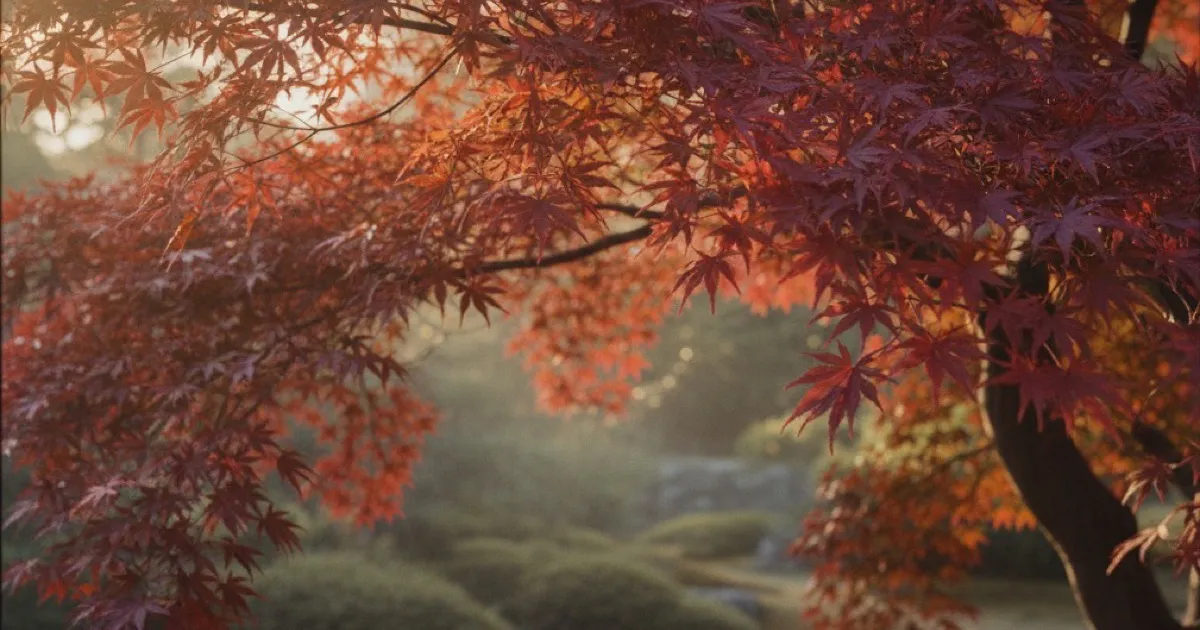
Red leaves on a tree grab your attention. Whether it’s a Japanese maple glowing crimson in a front yard or a red oak blazing in October, trees with red leaves stand out from the green backdrop of any landscape. But not all red-leafed trees are the same. Some hold red or purple foliage all season long. Others only turn red in fall. Knowing which trees have red leaves — and when — helps you identify species in the field and pick the right tree for your yard.
Trees with red leaves get their color from pigments called anthocyanins. In some species, anthocyanins are present all growing season, masking the green chlorophyll and producing leaves that look red, purple, or burgundy from spring through fall. In other species, anthocyanins only appear when chlorophyll breaks down in autumn, revealing the red pigments underneath. This guide covers both groups: trees that stay red all season and trees famous for their fall red color.
Trees With Red or Purple Leaves All Season
These trees produce red, burgundy, or purple foliage from spring through fall. They’re the ones that look red in June, not just October.
Japanese Maple (Acer palmatum)
Japanese maples are the most popular red-leafed ornamental trees in North America. Hundreds of cultivars exist, and many hold deep red or burgundy foliage throughout the growing season.
- Red cultivars: ‘Bloodgood’ (dark burgundy, 15-25 feet), ‘Emperor I’ (bright red spring leaves that deepen to burgundy), ‘Crimson Queen’ (weeping form, deeply cut red leaves, 8-10 feet)
- Leaf shape: Palmate with 5 to 9 pointed lobes. Deeply dissected in laceleaf varieties
- Size: 6 to 25 feet depending on cultivar. Most are small ornamental trees
- ID tip: The delicate, deeply lobed leaves are unmistakable. Even green Japanese maple cultivars have a finer, more elegant leaf than native maples
Japanese maples that produce red foliage throughout the growing season do so because their leaves contain high concentrations of anthocyanin pigments that mask the underlying chlorophyll green. The intensity of the red color depends on the cultivar, sun exposure, and soil pH. Full sun brings out the deepest reds, while heavy shade can cause red cultivars to turn greenish-bronze as the tree produces more chlorophyll to compensate for lower light levels. Among the most reliable all-season red cultivars, ‘Bloodgood’ maintains its dark burgundy color even in partial shade and tolerates heat better than many Japanese maples. ‘Emperor I’ starts bright red in spring and deepens to a rich crimson by summer. For small spaces, ‘Crimson Queen’ offers a weeping form that rarely exceeds 10 feet, with finely dissected leaves that hold their red color into late fall before turning scarlet.
Purple-Leaf Plum (Prunus cerasifera)
Purple-leaf plum is one of the most common red-leafed trees in suburban landscapes. It’s hard to miss — the entire canopy is deep reddish-purple from spring through fall.
- Foliage: Dark reddish-purple leaves, 1.5 to 3 inches long, with finely serrated edges
- Flowers: Small pink or white flowers in early spring, before or with the leaves
- Size: 15 to 25 feet tall with a rounded crown
- Common cultivars: ‘Thundercloud’ (dark purple), ‘Krauter Vesuvius’ (deeper purple, keeps color better in heat)
- ID tip: The combination of all-purple foliage and pink spring flowers is distinctive. Few other trees have this color combination
Copper Beech (Fagus sylvatica ‘Purpurea’)
Copper beech is a cultivar of European beech with dark purple-red foliage. These are large, stately trees often seen in parks and estates.
- Foliage: Glossy, dark purple to copper-red leaves. Color is deepest in spring, sometimes fading to bronze-green by late summer
- Size: 50 to 80 feet tall with a dense, spreading crown
- Bark: Smooth, silvery-gray — the same distinctive bark as green beech
- ID tip: The smooth gray bark combined with dark purple leaves makes copper beech easy to identify. Few other large trees have both features
Eastern Redbud ‘Forest Pansy’ (Cercis canadensis)
While standard redbuds have green leaves, the ‘Forest Pansy’ cultivar emerges with vibrant reddish-purple foliage in spring. The color gradually fades to purple-green by midsummer, then turns yellow-orange in fall.
- Foliage: Heart-shaped leaves, 3 to 5 inches wide. Emerge bright reddish-purple
- Flowers: Same pink-purple flowers as standard redbud, blooming on bare branches in early spring
- Size: 20 to 30 feet tall
- ID tip: Heart-shaped purple leaves on a small tree with pink spring flowers = ‘Forest Pansy’ redbud
Red-Leaf Barberry (Berberis thunbergii)
Technically a large shrub rather than a tree, but it shows up constantly in landscapes. Deep red to burgundy leaves all season, thorny stems, small red berries.
- Size: 3 to 6 feet tall. Sometimes pruned as a hedge
- Note: Considered invasive in many eastern states. Check local regulations before planting
Trees Famous for Red Fall Color
These trees have green leaves most of the year but turn spectacular shades of red, scarlet, and crimson in autumn.
Red Maple (Acer rubrum)
Red maple earns its name with some of the most reliable red fall color of any North American tree. It’s also one of the most widespread — growing from Manitoba to Florida.
- Fall color: Brilliant scarlet to orange-red. Among the first trees to change color in autumn
- Spring clue: Small red flowers and red-tinged samaras (helicopter seeds) in early spring, before leaves emerge
- Size: 40 to 60 feet tall
- ID tip: Red maple leaves have 3 to 5 shallow lobes with serrated edges. The V-shaped gaps between lobes are shallower than sugar maple’s U-shaped gaps
Sugar Maple (Acer saccharum)
Sugar maple produces the iconic fall palette — leaves turn yellow, orange, and red, sometimes all on the same tree. The reds tend to be more orange-red than the pure scarlet of red maple.
- Fall color: Orange to red-orange, mixed with yellow. Peak color slightly later than red maple
- Size: 60 to 80 feet tall
- ID tip: Sugar maple leaves have 5 lobes with smooth edges (no serrations) and U-shaped gaps between lobes
Red Oak (Quercus rubra)
Red oaks turn a deep, russet red in fall — not as bright as maples, but rich and warm.
- Fall color: Dark red to russet-brown. Holds leaves longer into fall than maples
- Size: 50 to 75 feet tall
- ID tip: Leaves have pointed lobes with bristle tips. Red oak bark has flat-topped ridges with shiny strips between them
Sweetgum (Liquidambar styraciflua)
Sweetgum trees produce some of the most varied fall color of any species. Individual leaves can show red, purple, orange, and yellow all at once.
- Fall color: Deep red to purple, often multi-colored. One of the last trees to change, extending fall color into November
- Size: 60 to 80 feet tall
- ID tip: Star-shaped leaves with 5 to 7 points. The spiky gumball seed pods are a dead giveaway
Dogwood (Cornus florida)
Dogwood turns a deep reddish-purple in fall, with clusters of bright red berries adding to the display.
- Fall color: Deep red to reddish-purple
- Size: 15 to 30 feet tall
- ID tip: Opposite branching pattern, red berries in fall, and the distinctive “alligator skin” bark pattern on mature trees
Sassafras
Sassafras produces brilliant fall color ranging from orange to deep red to purple. The mitten-shaped leaves make it one of the easiest fall trees to identify.
- Fall color: Orange, red, scarlet, and purple — often all on the same tree
- Size: 30 to 60 feet tall
- ID tip: Sassafras is the only North American tree with three different leaf shapes on the same tree: unlobed, mitten-shaped, and three-lobed
Why Some Leaves Are Red and Others Aren’t
Not every tree turns red in fall. The red color depends on anthocyanin production, which varies by species, weather, and soil conditions.
What drives red fall color:
- Cool nights (below 45°F) trigger anthocyanin production
- Sunny days allow continued sugar production, which fuels anthocyanin synthesis
- Dry fall weather tends to produce brighter reds
- Acidic soil intensifies red pigments in some species
Maples and sweetgums produce strong red pigments. Birches, hickories, and tulip trees produce mostly yellow pigments (carotenoids) and rarely turn red. Oaks vary — red oaks turn red, white oaks turn brown or russet.
How Tree Identifier Helps With Red-Leafed Trees
Red-leafed trees can be tricky because the same species looks different depending on cultivar and season. A ‘Bloodgood’ Japanese maple in June looks nothing like a red maple in October, even though both have red leaves. Tree Identifier’s AI recognizes trees across seasons, matching leaf shape, color, bark texture, and overall form.
Snap a photo of the red foliage, and the app identifies the species from its database of thousands of trees. It works with leaves, bark, flowers, and fruits, so you can photograph whatever feature is most visible. Offline mode keeps the app working on remote trails without cell service. You get 2 free identifications per day to start.
Frequently Asked Questions
What tree has red leaves year-round?
Japanese maple cultivars like ‘Bloodgood’ and ‘Crimson Queen’ hold red or burgundy foliage from spring through fall. Purple-leaf plum and copper beech also maintain reddish-purple leaves all season. No deciduous tree holds red leaves in winter since they all drop their foliage.
Why are my tree’s red leaves turning green?
Red-leafed cultivars can turn greenish in heavy shade. The tree produces extra chlorophyll to capture more light, which masks the anthocyanin pigments. Moving to more sun (if in a container) or pruning overhead branches can help restore the red color.
Which maple has the best red fall color?
Red maple (Acer rubrum) produces the most consistently bright scarlet fall color among native maples. Sugar maple also turns red but tends more toward orange-red. For small ornamental maples, Japanese maple cultivars like ‘Osakazuki’ are famous for their intense fall scarlet.
Do red-leafed trees need special care?
Most red-leafed trees need the same care as their green counterparts. Japanese maples prefer partial shade and protection from harsh afternoon sun in hot climates. Purple-leaf plum is low-maintenance. Copper beech needs space — it gets large. Full sun generally produces the deepest red color in all species.
Red-leafed trees add striking color to any landscape, whether you want year-round burgundy or a blaze of fall scarlet. To identify a red-leafed tree in your neighborhood or figure out what’s turning crimson in the park, try Tree Identifier — snap a photo and get your species in seconds.
Elena Torres
Tree Identifier Team