How to Identify Oak Trees: A Complete Guide
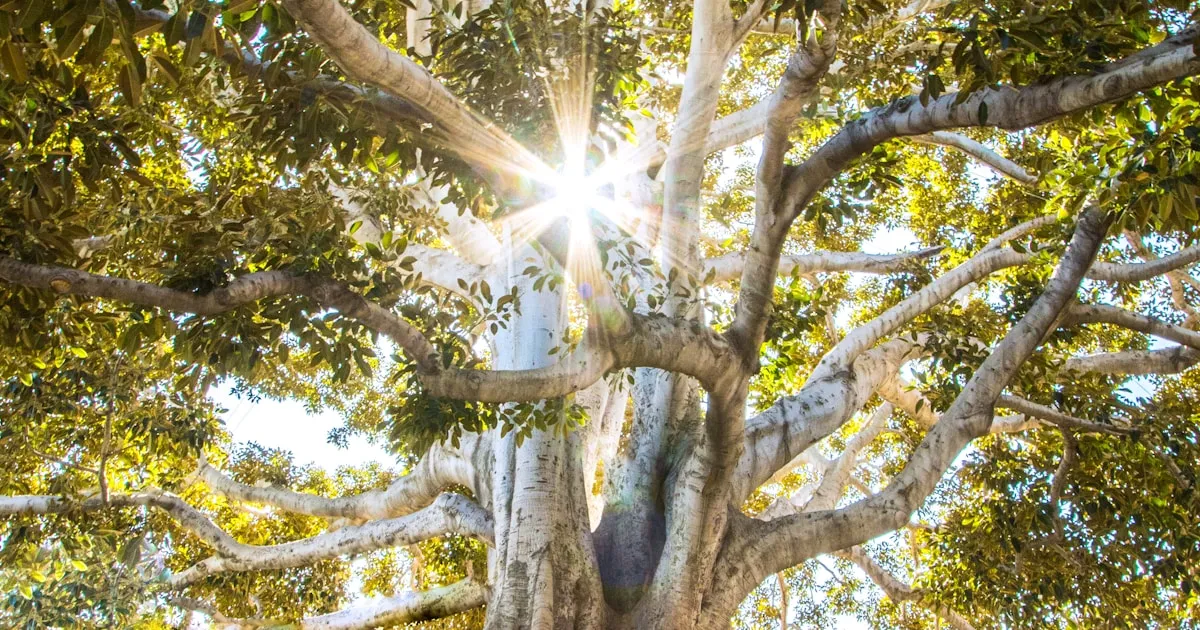
Oaks are everywhere. There are over 600 species scattered across the Northern Hemisphere, and once you know what to look for, you’ll start noticing them on every walk.
This guide will help you tell your white oaks from your red oaks, and actually remember the differences.
What Makes Oaks Worth Knowing
Oaks feed more wildlife species than almost any other tree genus in North America. Deer, squirrels, wild turkeys, woodpeckers, and hundreds of other animals depend on acorns—making them one of the top trees that attract wildlife to any landscape.
For woodworkers, oak is the go-to hardwood for furniture, flooring, and barrels. Knowing the difference between white oak (water-tight) and red oak (porous) matters if you’re building anything that holds liquid.
And honestly, oaks just look good. That spreading crown and thick trunk you picture when someone says “tree”? Probably an oak.
The Four Things to Look At
Leaves
Most oaks have lobed leaves, but the shape of those lobes tells you which group you’re dealing with:
White oak group: Rounded lobes without bristle tips. The leaf edges look smooth and wavy.
Red oak group: Pointed lobes with little bristle tips at the end. The leaves look sharper, almost aggressive.
Some oaks break the rules entirely. Willow oaks have narrow, unlobed leaves that look nothing like a “typical” oak leaf. Live oaks have small, oval evergreen leaves. Don’t let these throw you off. Check for acorns to confirm.
Acorns
Every oak makes acorns. That’s the defining feature of the genus.
Look at the cap first. Some caps are shallow and saucer-shaped, barely covering the top. Others are deep and scaly, wrapping halfway down the nut.
White oaks produce acorns in a single growing season. Red oaks take two years. If you see tiny, undeveloped acorns alongside mature ones on the same tree, you’re looking at a red oak.
Bark
Young oaks have smooth, grayish bark. As they age, the bark develops deep furrows and ridges.
White oaks tend toward lighter, scalier bark. Red oaks often have darker bark with shiny ridges between the furrows. But bark varies a lot, even within species. Use it as supporting evidence, not your main ID method.
Shape
Mature oaks grow wide. They spread horizontally more than they grow vertically, creating those massive, sheltering canopies.
Look for thick, horizontal branches low on the trunk. Most oaks keep their lower branches longer than other trees.
Common Species You’ll Actually See
White Oak (Quercus alba)
The classic. Rounded leaf lobes, light gray scaly bark, and sweet acorns that mature in fall. These trees live for centuries. The Charter Oak that hid Connecticut’s colonial charter was a white oak.
Red Oak (Quercus rubra)
Fast-growing and widely planted. Look for pointed leaf lobes with bristle tips, bark with flat-topped ridges, and shallow acorn caps. Brilliant red fall color gives it the name.
Live Oak (Quercus virginiana)
The iconic Southern tree draped in Spanish moss. Small, leathery evergreen leaves. The canopy often spreads wider than the tree is tall. Extremely wind-resistant, which is why they survived while other trees fell in hurricanes.
Pin Oak (Quercus palustris)
Common in parking lots and parks because it tolerates wet soil. Deeply cut leaves with pointed lobes. The lower branches droop downward distinctively. Small acorns with thin caps.
Tips That Actually Help
Don’t rely on one feature. Leaves vary even on the same tree. Bark changes with age. Use multiple characteristics together.
Check the ground. Fallen leaves and acorns are often easier to examine than what’s still on the tree.
Note where you are. Some oaks are regional. Live oaks grow in the South — they’re among the defining trees of Florida and Texas. Bur oaks prefer the Midwest. Knowing your region narrows the options.
Take photos of everything. Leaves, bark, acorns, the whole tree. The Tree Identifier app can analyze multiple features to give you a more accurate match.
Visit in different seasons. Fall brings acorns and color changes. Winter lets you study bark and branch structure without leaves blocking the view.
Using Technology
The Tree Identifier app uses AI to match your photos against thousands of species. It works best when you give it multiple angles: a leaf close-up, bark texture, and the overall tree shape.
The app works offline too, which matters when you’re hiking somewhere without cell service.
Getting Started
Pick a tree you pass regularly. Maybe one in your yard or on your commute. Observe it across seasons. Watch the buds open in spring, the leaves fill in, the acorns develop, the colors change.
That one tree will teach you more than reading a dozen guides. Once you know one oak species well, identifying others gets easier. You’ll notice what’s similar and what’s different.
The oaks are waiting. Go find them.
Identify a tree from your photo — free
Upload a leaf, bark, or whole-tree photo and get the species in seconds. No signup.
Confidence:
Unlock the full species profile
Free in the app — with unlimited identifications.


AI result for guidance — the app gives full species details and works offline.
Want unlimited identifications?
Get the full species profile, photos and details — free in the app, with unlimited scans.
- Unlimited identifications
- Full species profiles & details
- Works offline, anywhere
- Save and revisit your finds
Elena Torres
Tree Identifier Team