Trees That Attract Wildlife to Your Yard
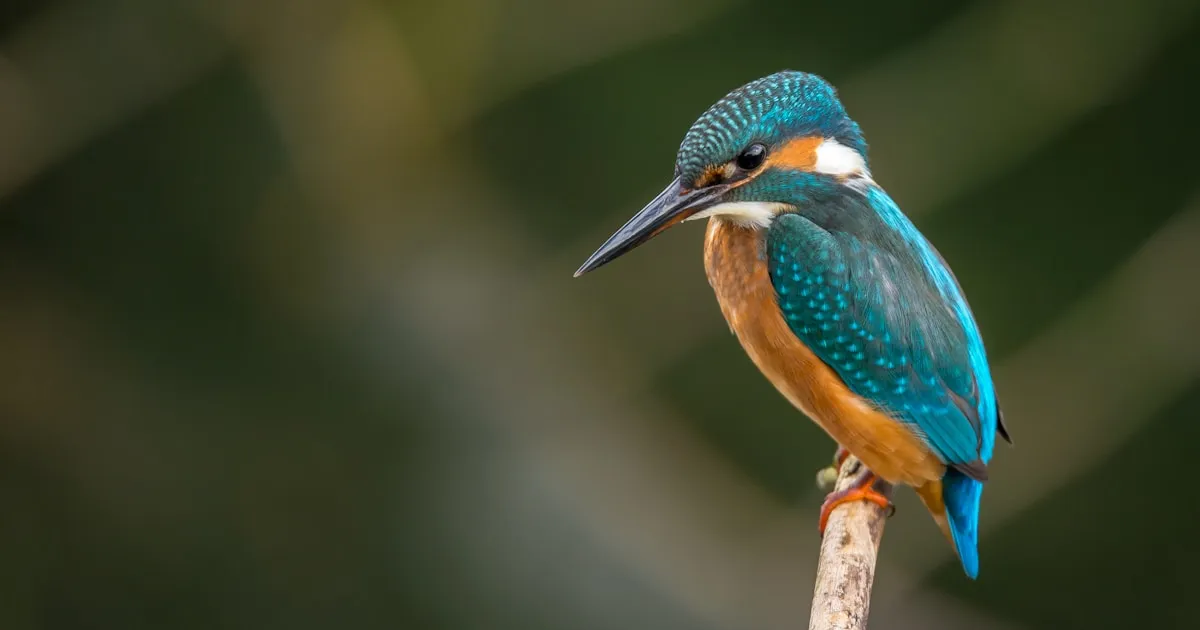
That ornamental pear in your yard might look nice, but nothing eats from it. No birds nest in it. No caterpillars chew its leaves. It’s ecologically dead.
Meanwhile, a single oak tree can support over 500 species of caterpillars—which in turn feed countless birds. Native trees aren’t just prettier choices. They’re entire ecosystems.
If you want to see more wildlife in your yard, start with trees.
Why Native Trees Matter
Native trees evolved alongside native insects, birds, and mammals. Over millions of years, these species developed relationships that non-native trees simply can’t replicate.
Many insects can only eat specific plants. Monarch caterpillars need milkweed. Luna moth caterpillars eat sweetgum, hickory, walnut, and a few other natives—but won’t touch Bradford pear or Callery pear no matter how many you plant.
Birds need insects to feed their young. A nest of chickadees requires 6,000-9,000 caterpillars to raise one clutch of babies. Those caterpillars have to come from somewhere.
Non-native ornamental trees break this food chain. They may flower and produce berries, but if native insects can’t eat them, native birds can’t raise young on them.
Top Trees for Wildlife
Oaks (Quercus species)
No other tree genus supports more wildlife in North America. Native oaks host over 500 species of caterpillars—more than any other plant group.
Wildlife benefits:
- Acorns feed deer, turkeys, squirrels, chipmunks, woodpeckers, jays, and dozens of other species
- Caterpillar abundance feeds nesting birds
- Cavities in old oaks shelter woodpeckers, owls, and small mammals
- Bark texture provides habitat for insects and spiders
Best choices: White oak, red oak, bur oak, live oak (regional). Choose species native to your area.
Considerations: Oaks are long-term investments. They grow slowly but live centuries.
Native Cherries (Prunus species)
Wild cherry, black cherry, and chokecherry support nearly 500 species of caterpillars—second only to oaks.
Wildlife benefits:
- Fruit attracts over 50 bird species
- Early bloom provides nectar for native bees
- Host plant for tiger swallowtail butterflies
- Leaves feed many moth caterpillars
Best choices: Black cherry (Prunus serotina), chokecherry (Prunus virginiana), pin cherry (Prunus pensylvanica).
Considerations: Some drop fruit that can stain pavement. Plant away from driveways and patios.
Willows (Salix species)
Among the earliest trees to leaf out and bloom in spring, willows are critical for pollinators emerging from winter dormancy.
Wildlife benefits:
- Host plant for viceroy butterfly, mourning cloak, and many moths (over 450 species of caterpillars)
- Early pollen and nectar feed emerging native bees
- Dense branching provides nesting cover
Best choices: Black willow, pussy willow, sandbar willow. Choose natives for your region.
Considerations: Willows need moisture. They’re perfect for wet areas where other trees struggle.
Birches (Betula species)
Native birches support over 400 caterpillar species and provide food through multiple mechanisms.
Wildlife benefits:
- Seeds feed finches, chickadees, and other small birds
- Catkins provide early-season nutrition
- Peeling bark shelters overwintering insects (bird food)
- Host plant for luna moth and many other moths
Best choices: Paper birch, river birch, yellow birch. Match species to your climate and moisture conditions.
Considerations: Paper birch struggles in heat and drought. River birch tolerates more challenging conditions.
Native Maples (Acer species)
Red maple and sugar maple support over 300 caterpillar species while providing reliable fall color. Learn to tell them apart in the maple tree identification guide.
Wildlife benefits:
- Seeds feed squirrels, chipmunks, and evening grosbeaks
- Early flowers provide spring pollen
- Dense foliage offers nesting sites
- Cavities in older trees shelter wildlife
Best choices: Red maple (tolerates wet conditions), sugar maple (prefers well-drained sites).
Considerations: Avoid Norway maple—it’s invasive and supports few native insects.
Serviceberry (Amelanchier species)
A smaller tree perfect for urban yards, serviceberry packs wildlife value into a compact package.
Wildlife benefits:
- Berries ripen in early summer when other fruit is scarce, attracting cedar waxwings, catbirds, robins, and others
- Flowers provide early nectar for native bees
- Hosts over 100 caterpillar species
Best choices: Downy serviceberry, Allegheny serviceberry, Canadian serviceberry.
Considerations: Multi-stemmed forms work well as large shrubs. Birds usually eat the berries before they can become messy.
Eastern Red Cedar (Juniperus virginiana)
Despite the name, this is a juniper, not a true cedar. It provides year-round shelter and winter food when little else is available.
Wildlife benefits:
- Blue berry-like cones feed cedar waxwings, bluebirds, robins, and others throughout winter
- Dense evergreen foliage provides shelter from weather and predators
- Cavity nest sites for some species
Best choices: Native to eastern North America. Western species like Rocky Mountain juniper serve similar functions in their range.
Considerations: Can spread aggressively. Male trees produce allergenic pollen.
Native Crabapples (Malus species)
Native crabapples outperform imported Asian ornamentals for wildlife support.
Wildlife benefits:
- Persistent small fruit feeds birds through winter
- Flowers support native bees
- Host plant for various moth species
Best choices: Native species like sweet crabapple (Malus coronaria), prairie crabapple (Malus ioensis).
Considerations: Many named cultivars are hybrid ornamentals with less wildlife value than straight native species.
Hawthorns (Crataegus species)
Thorny but valuable, hawthorns provide food, shelter, and nesting sites.
Wildlife benefits:
- Berries (haws) persist into winter, feeding birds when other food is scarce
- Dense thorny branches protect nesting birds from predators
- Flowers attract butterflies and native bees
- Host plant for hairstreak butterflies
Best choices: Washington hawthorn, downy hawthorn, cockspur hawthorn.
Considerations: Thorns make pruning challenging. Site away from pathways.
Trees to Avoid
Some common landscape trees contribute little to wildlife:
Bradford/Callery Pear: Sterile or producing seeds wildlife rarely eat. Invasive in many areas. Weak branch structure leads to storm damage. Nearly zero caterpillar support.
Norway Maple: Invasive, displaces native species. Dense shade kills plants beneath it. Supports far fewer insects than native maples.
Ginkgo: Ancient species from Asia with almost no relationship to North American wildlife. Interesting tree, but ecologically inert here.
Tree of Heaven: Invasive, produces chemicals that inhibit other plants, supports very few native insects.
If wildlife value matters, replace these with native alternatives.
Creating Habitat Layers
A single tree helps, but diverse plantings help more. Wildlife uses vertical structure:
Canopy layer: Large trees like oaks, maples, hickories Understory layer: Smaller trees like serviceberry, dogwood, redbud Shrub layer: Native shrubs like viburnum, elderberry, native blueberries Ground layer: Native groundcovers and leaf litter
Each layer supports different species. A yard with multiple layers hosts more wildlife than one with only a lawn and canopy trees.
Practical Considerations
Match trees to conditions. A swamp-loving willow won’t thrive on a dry hilltop. Choose natives suited to your soil, moisture, and light conditions.
Think regionally. A California native won’t support Tennessee wildlife as well as a Tennessee native. Aim for species from your region.
Leave the leaves. Fallen leaves shelter overwintering insects—next spring’s bird food. Don’t rake everything to bare dirt.
Provide water. A birdbath or small water feature near wildlife-friendly trees increases activity dramatically.
Be patient. Wildlife populations take years to respond to habitat improvements. That oak sapling won’t support many caterpillars until it has substantial foliage.
Identifying Wildlife Trees
Not sure what trees are already in your yard? The Tree Identifier app can help. Photograph leaves, bark, or fruit to identify species and assess whether they’re native wildlife supporters or ecological dead ends.
Knowing what you have is the first step toward improving habitat. That mystery tree might be a wildlife champion you didn’t know you had, or a candidate for replacement with something better.
One oak tree. One birch. One serviceberry. Each native tree you plant creates an island of habitat in an increasingly homogenized landscape. Plant enough islands and they connect into something larger—a yard that hums with life instead of sitting quietly waiting to be mowed.
Identify a tree from your photo — free
Upload a leaf, bark, or whole-tree photo and get the species in seconds. No signup.
Confidence:
Unlock the full species profile
Free in the app — with unlimited identifications.


AI result for guidance — the app gives full species details and works offline.
Want unlimited identifications?
Get the full species profile, photos and details — free in the app, with unlimited scans.
- Unlimited identifications
- Full species profiles & details
- Works offline, anywhere
- Save and revisit your finds
Rachel Nguyen
Tree Identifier Team