The Oldest Trees in the World
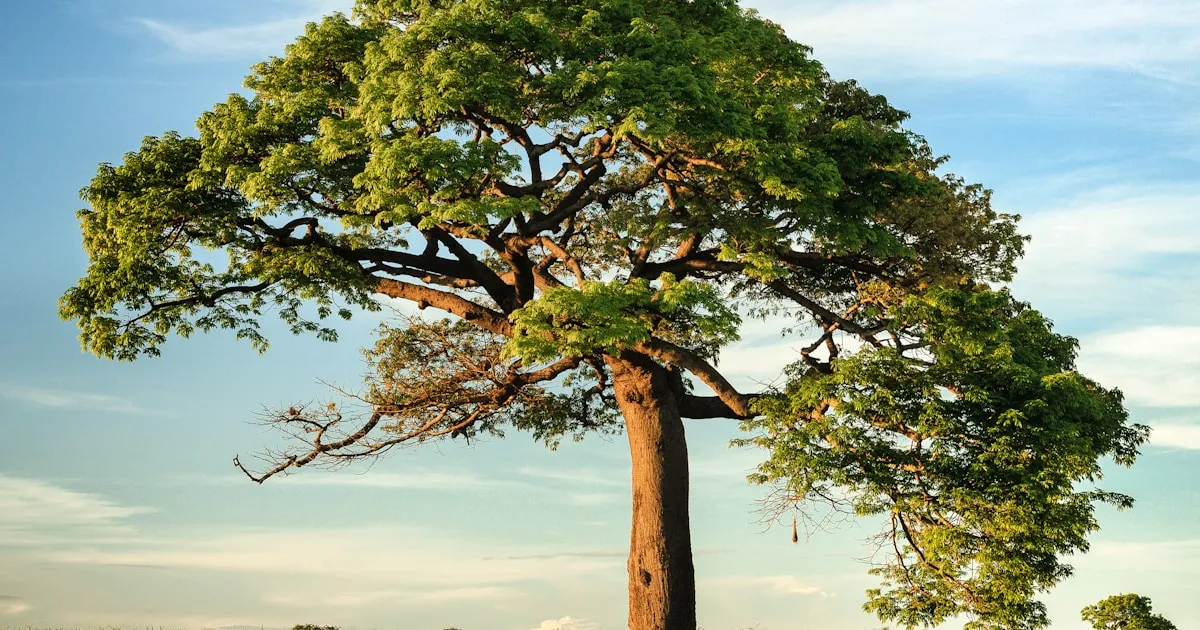
Somewhere in the White Mountains of eastern California, twisted against the wind, stands a tree that was already old when the Egyptian pyramids were built.
It has no name posted nearby. The Forest Service learned its lesson when people damaged the previous record-holder after it became famous. This bristlecone pine simply exists, unmarked, living its fifth millennium while tourists photograph its younger neighbors.
Trees operate on timescales humans struggle to comprehend. Some species alive today germinated before the first written languages existed.
Bristlecone Pines: Individual Champions
Great Basin bristlecone pines (Pinus longaeva) hold the record for oldest individual non-clonal trees. You can see them in California, one of the states profiled in California’s iconic trees. Several specimens have been confirmed at over 4,000 years old. The current champion is over 4,850 years old.
These aren’t impressive-looking trees by typical standards. They’re small and gnarled, rarely exceeding 30 feet tall. Growing at elevations above 10,000 feet in dry, rocky soil, they’ve adapted to conditions that would kill most species.
Their longevity comes from several factors:
Dense, resinous wood resists rot, insects, and fire. Even dead sections of these trees persist for centuries.
Slow growth means tight growth rings and dense wood. Some bristlecones add less than an inch of diameter per century.
Harsh environment paradoxically helps. Few pathogens survive at high altitude in alkaline dolomite soil. Less competition means less stress.
Sectored architecture allows parts of the tree to die while other sections continue living. A bristlecone might be 90% dead wood but still have a living strip of bark and a few green branches.
The most famous bristlecone was Prometheus, cut down in 1964 by a researcher who didn’t realize its age until he counted the rings. It was 4,862 years old—the oldest known tree at that time. The stump is still visible in Nevada’s Great Basin National Park.
Today, visitors can see ancient bristlecones at Inyo National Forest’s Ancient Bristlecone Pine Forest in California. The specific location of the current oldest individual remains unpublicized.
Clonal Colonies: A Different Kind of Old
If we expand our definition beyond individual trunks, some tree colonies are far older than any bristlecone.
Pando: The Trembling Giant
In Utah’s Fishlake National Forest, an aspen grove covers 106 acres. It looks like a forest of thousands of trees. It’s actually one organism.
Pando (Latin for “I spread”) is a clonal colony—genetically identical stems connected by a massive underground root system. When one trunk dies, new ones sprout from the roots. The individual trunks visible today are only about 130 years old, but the root system that spawned them is estimated at 80,000 to one million years old.
At over 6,000 metric tons, Pando is also the heaviest known organism on Earth.
The colony is currently struggling. Deer and elk browse on young sprouts before they can mature. Fencing sections of Pando has helped, showing that the ancient root system can still regenerate if given protection.
Old Tjikko: Sweden’s Ancient Spruce
A Norway spruce in Sweden looks unremarkable—a small tree barely 16 feet tall, windswept and sparse. But its root system has been carbon-dated to 9,550 years old.
Like Pando, Old Tjikko regenerates by sending up new trunks from ancient roots. The current visible trunk is only a few hundred years old. The root system has persisted through ice ages.
Similar ancient spruce clones have been found elsewhere in Sweden, pushing the ages of clonal trees back even further.
Other Ancient Species
Patagonian Cypress (Fitzroya cupressoides)
South America’s answer to the bristlecone, these massive conifers in the Chilean and Argentine Andes reach ages over 3,600 years. One specimen called “Gran Abuelo” (Great Grandfather) may be over 5,000 years old, potentially making it older than any confirmed bristlecone.
Unlike bristlecones, Patagonian cypresses can grow huge—over 150 feet tall with trunk diameters exceeding 15 feet. They’re endangered due to centuries of logging for their rot-resistant wood.
Giant Sequoias (Sequoiadendron giganteum)
The largest trees on Earth by volume, giant sequoias can live over 3,000 years. They are also closely connected to the tallest trees on Earth—coast redwoods—which share their California range. The oldest confirmed specimen is around 3,400 years old.
Their thick, fibrous bark (up to 3 feet thick) protects them from fire. Their wood contains tannins that resist rot and insects. Like bristlecones, their inhospitable growing conditions—poor soil, short growing seasons—may contribute to longevity.
Bald Cypress (Taxodium distichum)
These swamp dwellers of the American Southeast can reach ages over 2,500 years. A bald cypress in North Carolina’s Black River swamp was dated to 2,624 years old.
Growing in standing water, they’re protected from fire and drought—two main killers of old trees.
Olive Trees
Some olive trees in the Mediterranean may be 2,000+ years old, though accurate dating is difficult. The oldest verified olive tree is around 2,000 years old in Portugal. Others in Greece, Lebanon, and Israel claim greater ages but lack scientific confirmation.
Olive trees regenerate from their bases, similar to clonal colonies, making it hard to determine where one tree ends and another begins.
Yews
European yews in British churchyards may be 3,000+ years old, though their hollow trunks make ring counting impossible. The Fortingall Yew in Scotland is estimated at 3,000-5,000 years old based on its girth and historical records.
Yews complicate aging because they can regenerate internally, growing new trunks inside hollow older ones.
Why Old Trees Matter
Ancient trees aren’t just curiosities. They serve ecological functions that younger trees can’t match.
Genetic reservoirs. Trees that have survived thousands of years carry genes adapted to past climate conditions—adaptations that may prove valuable as climate changes again.
Carbon storage. Large, old trees store enormous amounts of carbon. One giant sequoia contains more carbon than an acre of younger trees.
Habitat. Old trees develop cavities, loose bark, and dead branches that provide homes for wildlife. Some species specifically require old-growth conditions.
Seed sources. Ancient trees in fragmented forests may be the last local sources of genetic material for their species.
Threats to Ancient Trees
Despite surviving millennia, ancient trees face modern threats:
Climate change is shifting viable habitat zones. Bristlecone pines, already at the top of their mountains, have nowhere to go as temperatures rise.
Air pollution damages trees even in remote areas. Ozone, nitrogen deposition, and other pollutants stress old trees.
Fire suppression allows fuel to accumulate, making eventual fires more intense than the periodic burns old trees evolved with.
Human damage from tourism, vandalism, and souvenir collecting harms accessible ancient trees.
Browsing animals prevent regeneration. Without young trees replacing old ones, even immortal clonal colonies can collapse.
Seeing Ancient Trees
Several ancient tree sites allow public access:
- Ancient Bristlecone Pine Forest, California: Accessible groves with interpretive trails
- Muir Woods, California: Old-growth coast redwoods near San Francisco
- Sequoia & Kings Canyon National Parks, California: Giant sequoias including the General Sherman tree
- Great Smoky Mountains National Park: Some of the oldest tulip poplars and hemlocks in eastern North America
- Olympic National Park, Washington: Ancient Sitka spruce and western red cedar
When visiting ancient trees, stay on designated trails. Root damage from foot traffic and soil compaction can harm trees that have survived everything else for thousands of years.
Perspective
The oldest bristlecone pine was a seedling around 3000 BCE. Since then:
- Writing was invented
- Pyramids were built
- Bronze Age civilizations rose and fell
- Rome was founded, expanded, and collapsed
- Medieval Europe came and went
- The Industrial Revolution transformed the world
- You were born
And that tree just kept growing. Not fast. Not dramatically. Just adding a few cells each year, year after year, for nearly 5,000 years.
Trees don’t experience time the way we do. They don’t rush. They simply persist.
The Tree Identifier app can help you identify the species of trees you encounter, though it can’t tell you how old they are. For that, you’d need a core sample and a lot of patience counting rings—or faith in the slow work of radiocarbon dating.
Some trees you photograph might be seedlings. Others might have been standing for centuries before your great-grandparents were born. Both deserve the same curiosity.
Identify a tree from your photo — free
Upload a leaf, bark, or whole-tree photo and get the species in seconds. No signup.
Confidence:
Unlock the full species profile
Free in the app — with unlimited identifications.


AI result for guidance — the app gives full species details and works offline.
Want unlimited identifications?
Get the full species profile, photos and details — free in the app, with unlimited scans.
- Unlimited identifications
- Full species profiles & details
- Works offline, anywhere
- Save and revisit your finds
Rachel Nguyen
Tree Identifier Team