Ginkgo Tree Identification: Fan Leaves, Fruit, and Bark
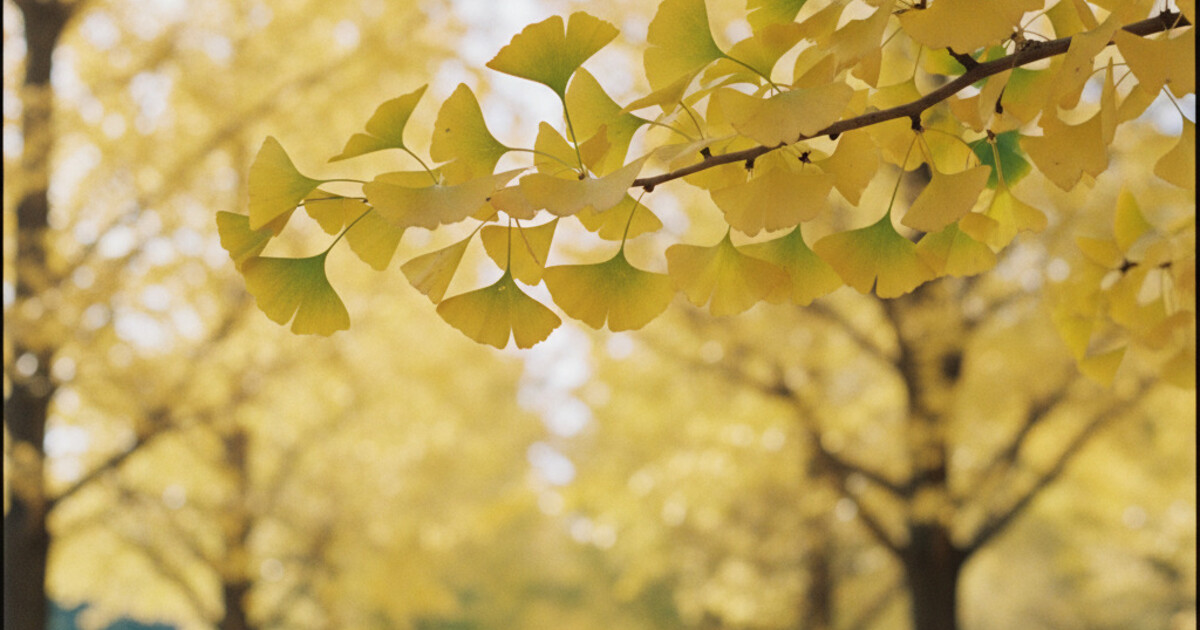
Ginkgo trees are one of the easiest trees to identify once you know the leaf. That fan-shaped blade with a central notch doesn’t look like anything else growing in North America, or anywhere else. Ginkgo tree identification is one of the first things new naturalists nail, because the leaf shape has stayed virtually unchanged for 200 million years. You’ll find ginkgos lining streets, anchoring college campuses, and filling botanical gardens across the US. Once you’ve seen that fan-shaped leaf, you’ll spot them constantly.
Ginkgo trees are identified by their fan-shaped leaves with a central notch, unlike any other tree in the world. The leaves turn brilliant golden yellow in fall, often dropping all at once within a day or two. Female trees produce round, foul-smelling fruit in fall. Mature bark is light gray and deeply furrowed.
The Leaf: Ginkgo’s Unmistakable Field Mark
No tree has a leaf like a ginkgo. The shape is technically called bilobed: two rounded lobes separated by a central notch, the whole thing shaped like a fan or a small duck’s foot. Each leaf attaches to the branch via a long, slender stem called a petiole, typically 1-3 inches long. The blade itself is usually 2-4 inches wide.
Veins radiate out from the base in a fan pattern with no central midrib, which sets ginkgo apart from every other broad-leaved tree.
One thing that confuses beginners: leaves on the same tree can look different. Leaves on long shoots (the main growing branches) tend to have a deeper notch, almost splitting into two separate lobes. Leaves on short spur shoots (stubby side branches) are often fuller and less divided. Both are fan-shaped and unmistakably ginkgo.
Ginkgo biloba is the only surviving species of a plant order that once spread across most of the Northern Hemisphere. Its fan-shaped leaf has veins that radiate outward from the base with no central midrib, a pattern found nowhere else among living trees. Fossil ginkgo leaves from 200 million years ago are nearly identical to those falling from street trees in New York or Tokyo today. This evolutionary stability makes ginkgo one of the most reliably identified trees in the world; the leaf shape hasn’t changed since before flowering plants existed. For identification purposes, the fan shape with a central notch is definitive. No lookalike exists in North American or European tree flora. The leaf ranges from 2-4 inches wide, attaches via a 1-3 inch petiole, and turns a pure saturated yellow in fall before dropping, sometimes entirely within 24-48 hours.
The leaves emerge yellow-green in spring and stay that color through summer. In fall, typically October to November depending on location, they shift to pure golden yellow with almost no orange or red mixed in. The display is brief. Once peak yellow hits, the leaves often drop within 1-2 days, carpeting the ground in gold.
For help reading how leaf shape works across tree families, see Tree Identification by Leaf Shape.
Ginkgo Bark and Branch Structure
Bark on young ginkgos is smooth and light gray. With age it becomes deeply furrowed and ridged, breaking into irregular interlocking plates with a pale gray-brown color.
One structural feature that helps with identification is the spur shoots. These short, stubby side branches grow along the main branches. Leaves cluster on these spurs during the growing season. In winter, when leaves are gone, the spur shoots leave distinctive knobby bumps along the gray branches.
Ginkgos grow tall and upright when young, with a fairly narrow crown. With age the crown broadens and becomes more irregular. Mature street ginkgos often reach 50-80 feet, though they grow slowly; a tree that’s 40 feet tall is likely several decades old.
For bark comparison across species, see How to Identify Trees by Their Bark.
The Fruit: Fleshy, Round, and Unmistakable
Most city ginkgos are male, planted specifically to avoid the fruit. If you’re near a female tree in October, you’ll know it before you see it.
Female ginkgos produce round, yellow-orange fruits about 1 inch across. They look like small plums at a distance. The outer fleshy layer contains butyric acid, the same compound found in rancid butter, and the smell is strong enough to clear a city sidewalk.
Inside the fleshy coating is a tan or cream-colored seed, sometimes called a ginkgo nut. Roasted ginkgo seeds appear in Chinese, Korean, and Japanese cooking. The raw seed and fleshy outer layer can cause skin irritation in some people.
Key identification notes on the fruit:
- Only female trees produce it
- Ripens October to November
- Smell intensifies after frost
- Seeds drop with or just after the fruit pulp
If you’re unsure about a tree’s sex, check in October. A tree with no fruit could be male, a young tree not yet reproductive, or a female in an off year.
Identifying Ginkgos by Season
Spring: Young leaves emerge yellow-green in April and May. The fan shape is visible from the first unfurling. Spur shoots along the branches are where most leaf clusters appear.
Summer: Leaves mature to medium green. Female trees develop small, marble-sized developing fruit by late summer. The upright habit and spur-shoot branching are visible in the canopy if you look for them.
Fall: The main event. Leaves shift to pure golden yellow, usually October into November. Once color peaks, leaves can be gone within 1-2 days. Female fruit ripens and falls, creating a strong smell around the base of the tree.
Winter: The knobby spur-shoot bumps along bare gray branches are the key winter feature. The narrow, upright crown silhouette on younger trees is also useful. With practice, the bark texture and branching pattern are enough to ID a ginkgo even after leaf drop.
Ginkgo vs. Similar Trees
Ginkgo doesn’t have any true lookalikes, but a few trees get confused with it:
Ginkgo vs. Tulip Tree: Tulip tree leaves have a notched tip that occasionally suggests ginkgo to beginners. Tulip tree leaves are much larger (4-6 inches), have 4 distinct pointed lobes, and the vein structure is completely different. The trees don’t resemble each other up close. See Tulip Tree Identification.
Ginkgo vs. Sassafras: Sassafras leaves come in three forms, including a two-lobed mitten shape. At a quick glance, a two-lobed sassafras leaf might briefly look like ginkgo. Differences: sassafras leaves are aromatic when crushed, the lobes are asymmetric, and the veins follow a standard broad-leaved pattern. See Sassafras Tree Identification.
Young Ginkgo vs. Maidenhair Fern: The common name “maidenhair tree” for ginkgo comes from the leaf’s resemblance to maidenhair fern leaflets. The fern is a ground plant, so actual confusion is unlikely outdoors.
Ginkgo stands in its own genus, family, order, and class. No close relative survived into the modern era. If you find a fan-shaped leaf with radiating veins and no midrib, it’s a ginkgo.
Ginkgo is also one of the most popular choices for long-term urban shade planting. For a broader comparison of options, see Best Shade Trees for Backyard.
How Tree Identifier Works for Ginkgo
Ginkgo is one of the easier trees to confirm by photo, because the leaf is so distinctive. The Tree Identifier app returns a high-confidence match from a single leaf photo in most cases.
You can also photograph the bark on mature trees, or the fruit on female trees in fall. The app processes leaves, bark, flowers, and fruit as separate inputs, so you’re not locked into one identification method.
The app works offline, which is useful in parks and on hikes where cell service cuts out. With 2 free identifications per day, you can verify a ginkgo (or anything else you spot) without signing up for a subscription.
Download Tree Identifier on iOS or Android at treeidentifier.app.
Frequently Asked Questions
How do I tell a male ginkgo from a female ginkgo? In spring and summer, there’s no reliable visual way without a botanical examination. In fall, female trees produce round, foul-smelling, yellow-orange fruit about 1 inch across. Male trees produce pollen but no fruit. Most ginkgos planted along streets in North America are male, specifically to avoid the mess and smell.
Why do ginkgo trees smell so bad? Only female trees produce the smell, and only when the fruit is ripe or crushed. The outer fleshy layer contains butyric acid, the same compound that makes rancid butter smell the way it does. The seed inside doesn’t smell and is edible when properly prepared by roasting.
How fast do ginkgo trees grow? Ginkgos grow about 1-2 feet per year under good conditions. This slow, steady growth contributes to their exceptional longevity. Some ginkgos in China are thought to be over 1,000 years old, and the species has survived essentially unchanged since the age of dinosaurs.
Are ginkgo leaves different from each other on the same tree? Yes. Leaves on long shoots tend to be more deeply notched, nearly splitting into two separate lobes. Leaves on short spur shoots are often fuller and less divided. Both are fan-shaped and unmistakably ginkgo.
Can I identify a ginkgo tree in winter without leaves? Yes. Look for the short, knobby spur shoots along gray branches. These stubby side branches leave distinctive bumps on the bare winter silhouette. The gray, furrowed bark and upright crown shape also help narrow it down when leaves aren’t available.
Ginkgo trees have been around since the dinosaurs. They’ve outlasted every close relative, survived mass extinctions, and watched entire plant families rise and fall. Learning to spot one takes about 30 seconds once you know the fan-shaped leaf. Find it, and you’ve identified a living fossil.
To identify ginkgos and hundreds of other species by photo, download Tree Identifier at treeidentifier.app.
Identify a tree from your photo — free
Upload a leaf, bark, or whole-tree photo and get the species in seconds. No signup.
Confidence:
Unlock the full species profile
Free in the app — with unlimited identifications.


AI result for guidance — the app gives full species details and works offline.
Want unlimited identifications?
Get the full species profile, photos and details — free in the app, with unlimited scans.
- Unlimited identifications
- Full species profiles & details
- Works offline, anywhere
- Save and revisit your finds
Elena Torres
Tree Identifier Team