Birch Trees: How to Identify Paper, River, Silver & Other Species
Identify birch trees by their white or peeling bark, doubly serrated leaves, catkins, and size. A full field guide to paper, river, yellow, gray, and silver birch.
Read moreDiscover tips, guides, and fascinating insights about trees, wood identification, and nature exploration.
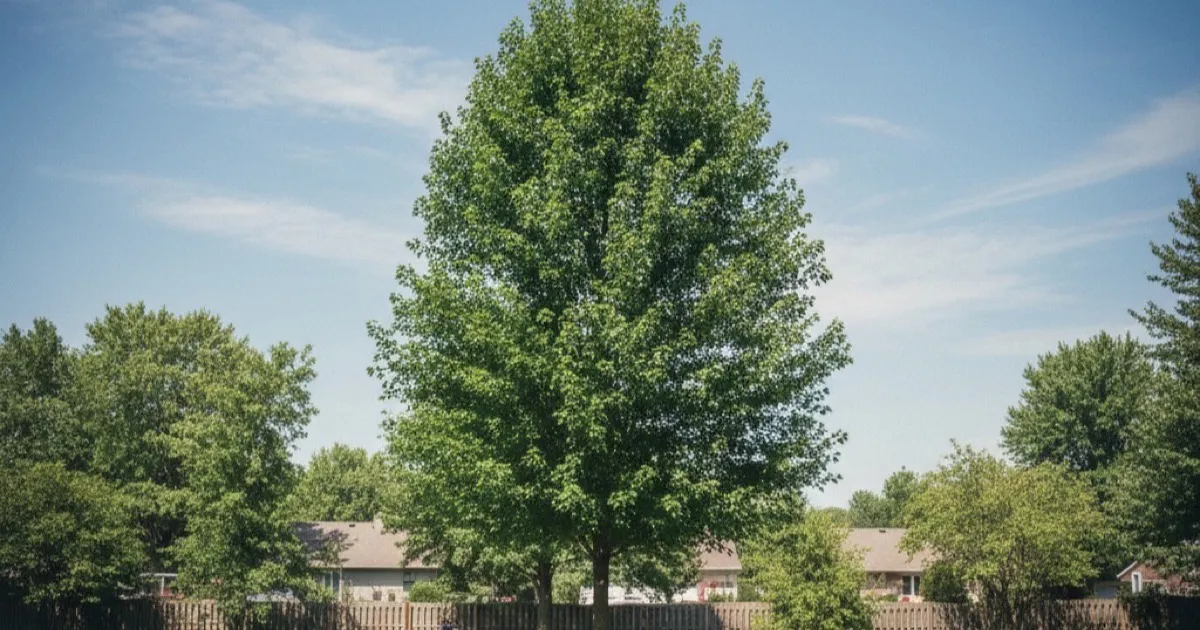
Identify birch trees by their white or peeling bark, doubly serrated leaves, catkins, and size. A full field guide to paper, river, yellow, gray, and silver birch.
Read more
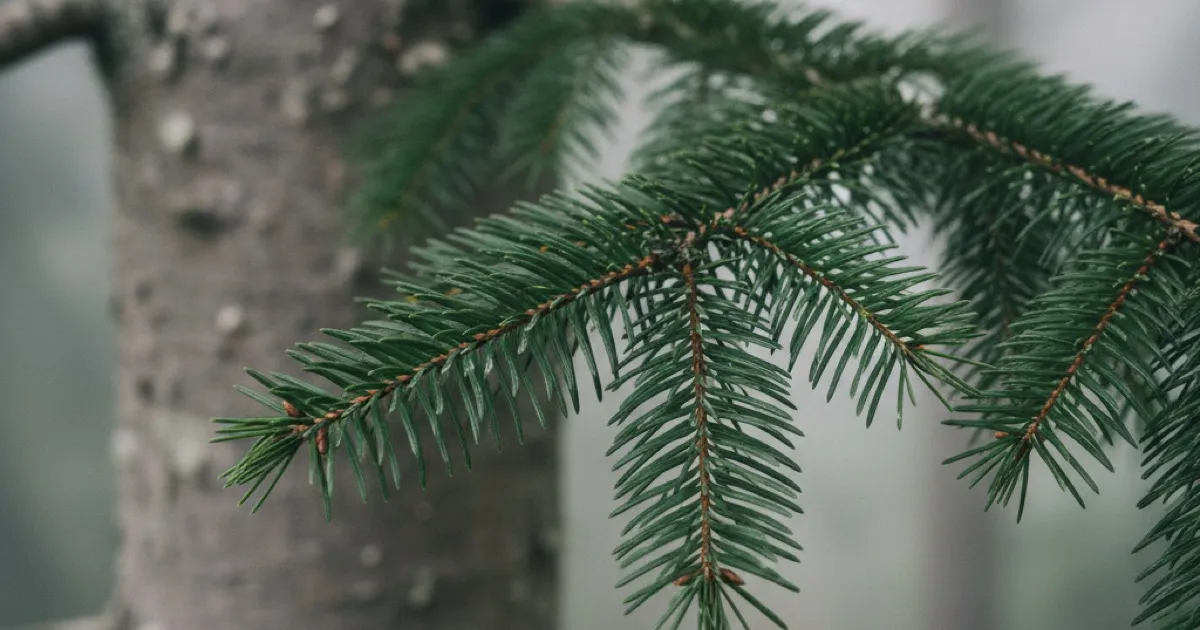
The best fast growing trees for shade and privacy, ranked by growth rate and durability. Includes trees to avoid and why growth speed affects wood quality.
Read more
Identify a fir tree by needle, cone, and bark, and tell firs from spruce and pine. Covers balsam, Douglas, Fraser, white, noble, grand, and subalpine fir.
Read more
Learn how to identify wood by grain, color, end grain, and weight. Practical methods for woodworkers, DIYers, and furniture buyers to name any species.
Read more
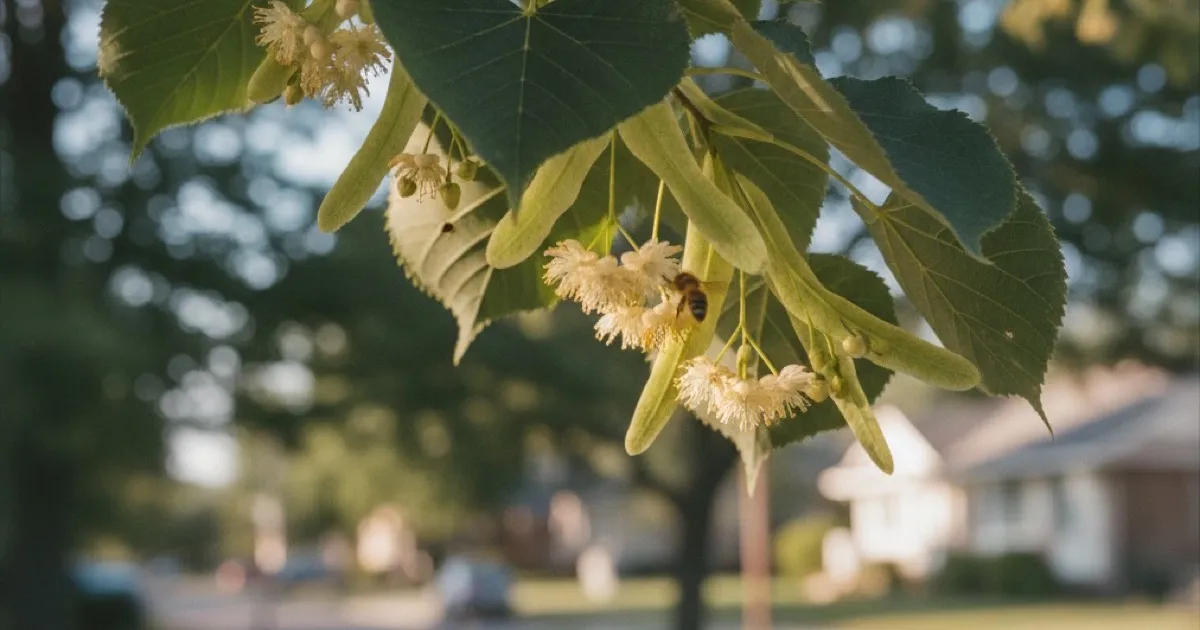
Learn linden tree identification by heart-shaped leaves, fragrant flowers, and unique bracts. Covers basswood, littleleaf linden, and silver linden.
Read more
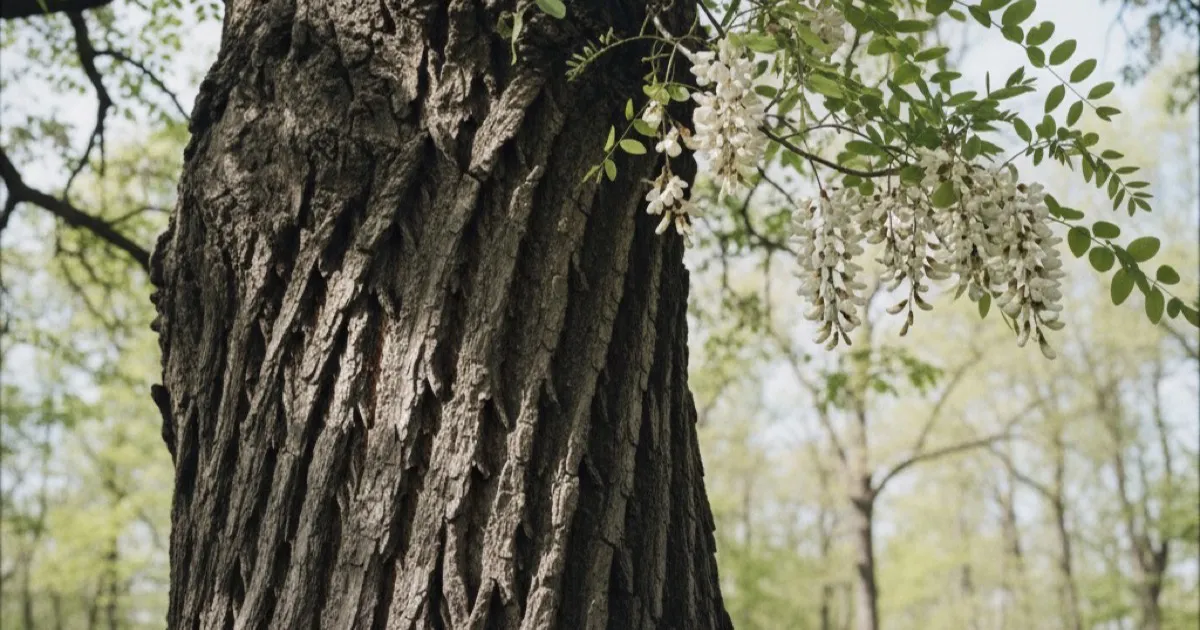
Confused by locust trees? Learn to tell honey locust from black locust by their leaves, thorns, seed pods, bark, and flowers, with a quick side-by-side chart.
Read more
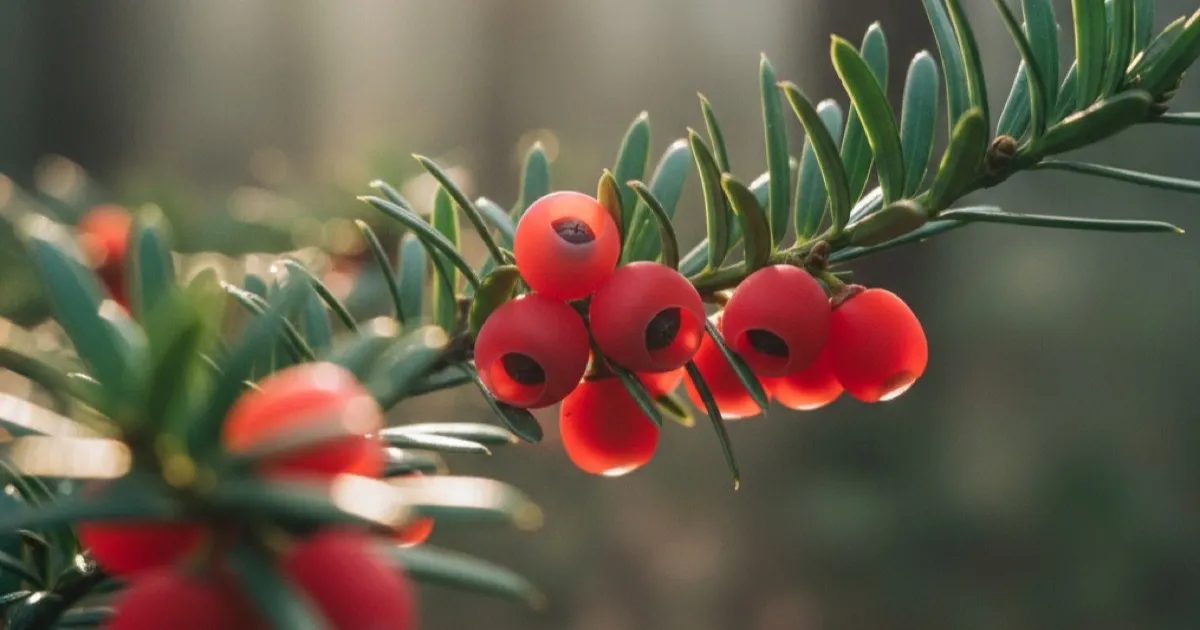
Learn to identify the most dangerous poisonous trees in North America, including yew, oleander, manchineel, and poison sumac. Keep kids and pets safe.
Read more
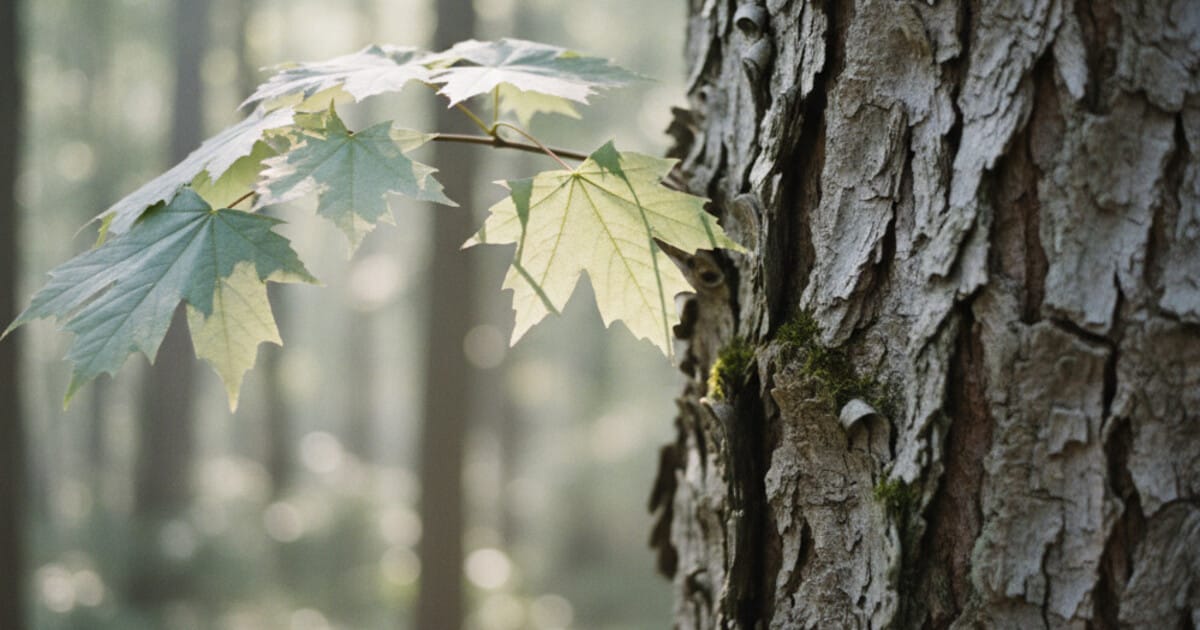
Silver maple and red maple tree identification: leaves, bark, seeds, fall color, and how to tell Acer saccharinum from Acer rubrum in any season.
Read more
How to identify willow trees by leaf, bark, and catkins. Compare 8 types of willow: weeping, white, black, pussy, corkscrew, dappled, and purple.
Read more
Oak vs maple leaf: branching, lobe structure, and seeds tell them apart every time. Learn the three field clues that work year-round, including in winter.
Read more
Identify Oregon ash (Fraxinus latifolia) by 7 signs: opposite compound leaves, hairy twigs, gray ridged bark, paddle samaras, and riparian PNW habitat.
Read more
Identify pumpkin ash (Fraxinus profunda) by 7 reliable signs: massive leaf size, swollen petiolules, inflated samaras, and deep bottomland habitat.
Read more