• Wood Identification
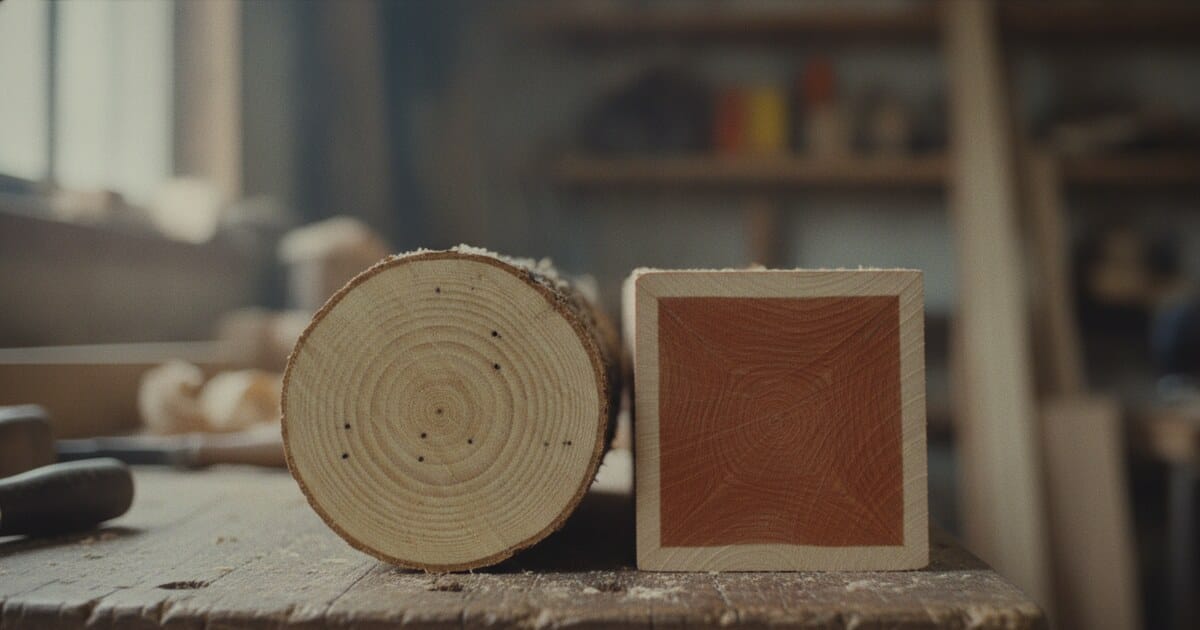
Pine vs Fir Wood: Hardness, Grain and Key Differences
Pine vs fir wood compared: Janka hardness ratings, end-grain ID tests, grain patterns, and which softwood suits your project best.
Read moreDiscover tips, guides, and fascinating insights about trees, wood identification, and nature exploration.
Pine vs fir wood compared: Janka hardness ratings, end-grain ID tests, grain patterns, and which softwood suits your project best.
Read more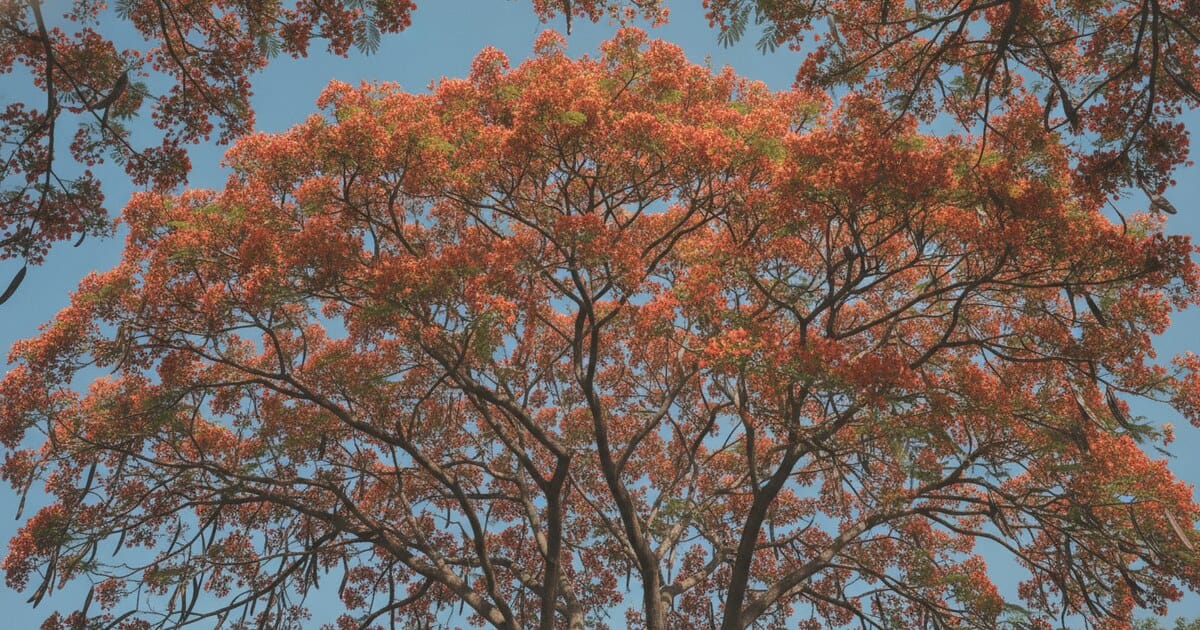
Identify a poinciana tree by its 5-petal flowers, compound leaves, and 18-24 inch seed pods. Covers Australia bloom timing and flame tree differences.
Read more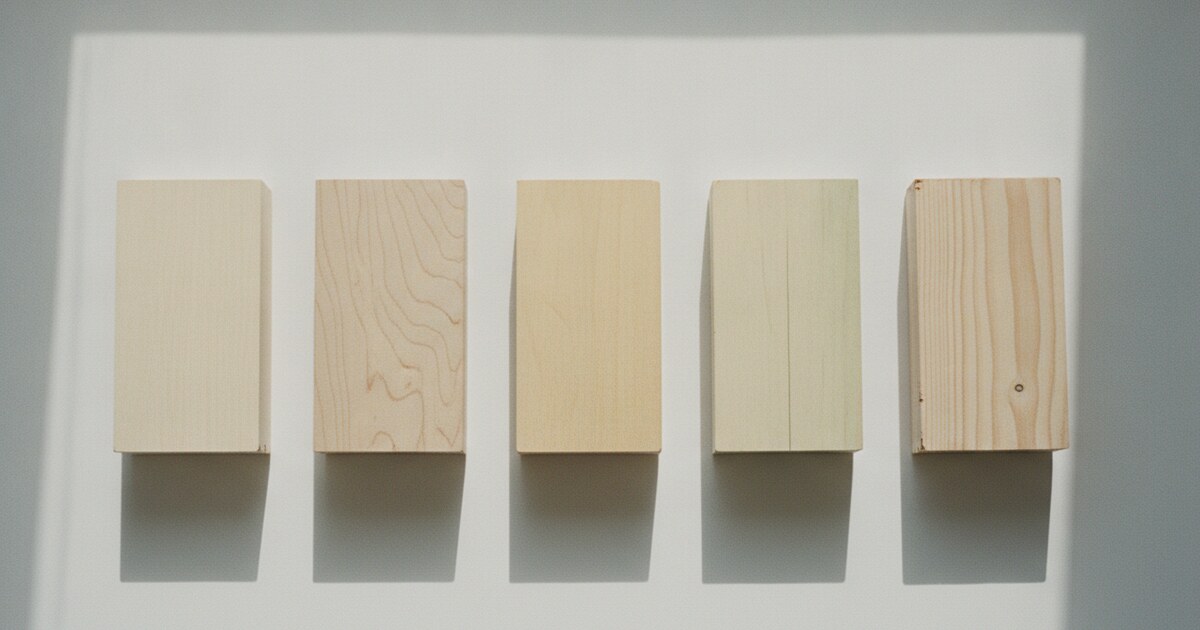
Discover the most common light colored wood types, from hard maple to eastern white pine. Includes Janka hardness, grain patterns, and end-grain ID tips.
Read more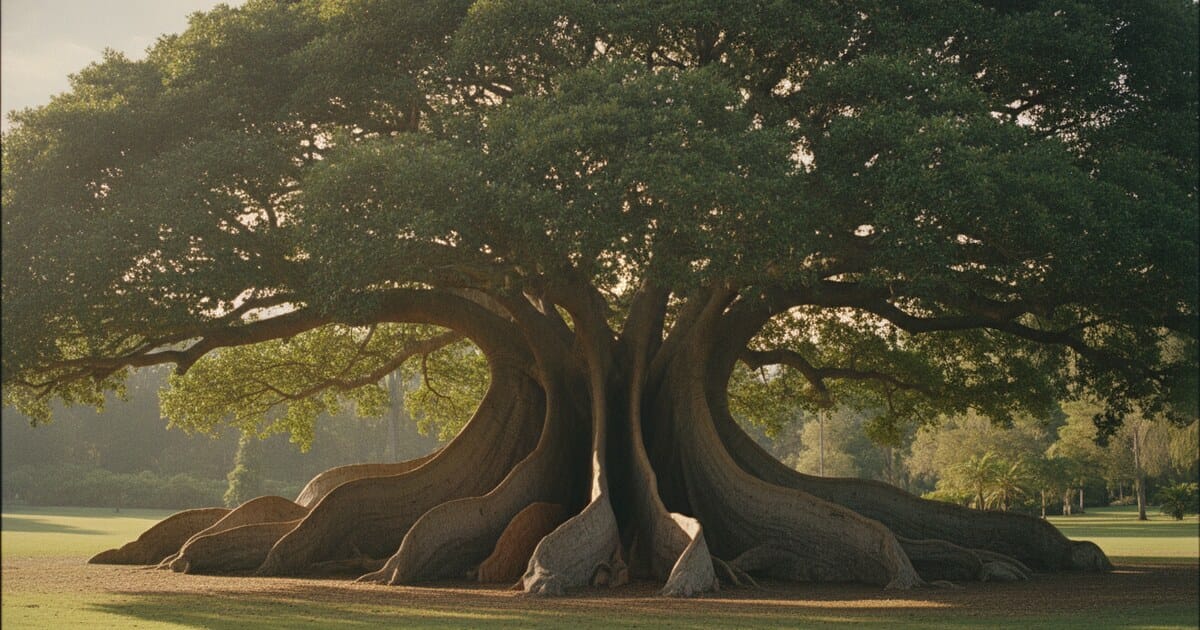
How to identify a Moreton Bay fig: rusty-brown leaf underside, wall-like buttress roots, and purple fruit. Native to eastern Australia. USDA zone 9.
Read more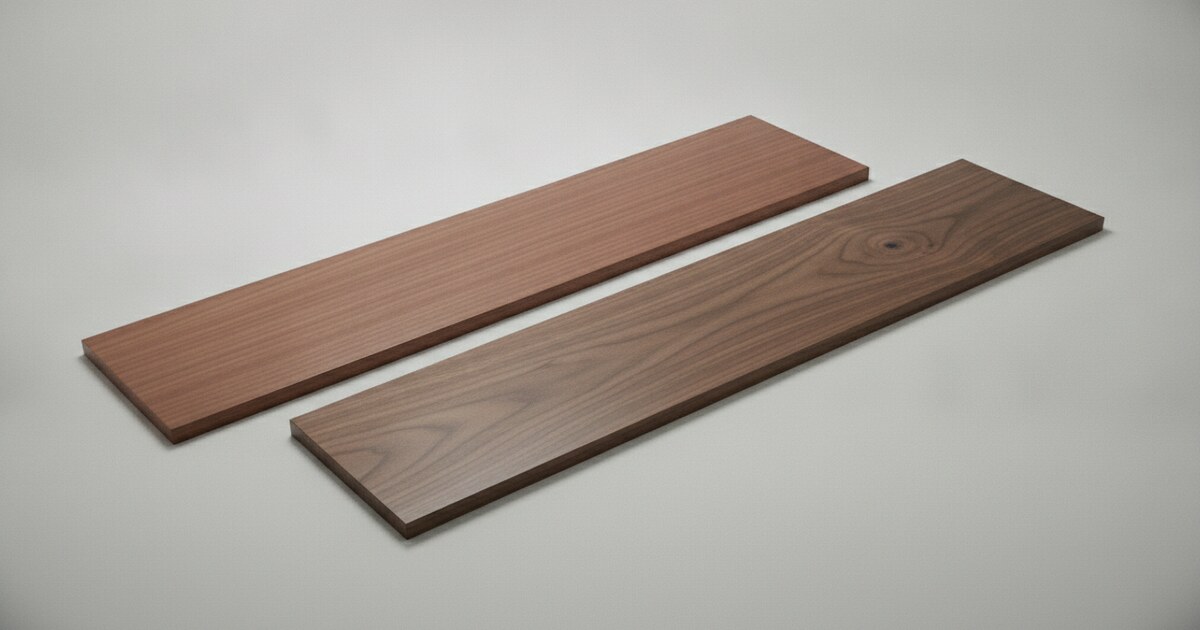
Mahogany and walnut look similar under finish but age in opposite directions and differ in hardness, price, and stability. Learn how to tell them apart.
Read more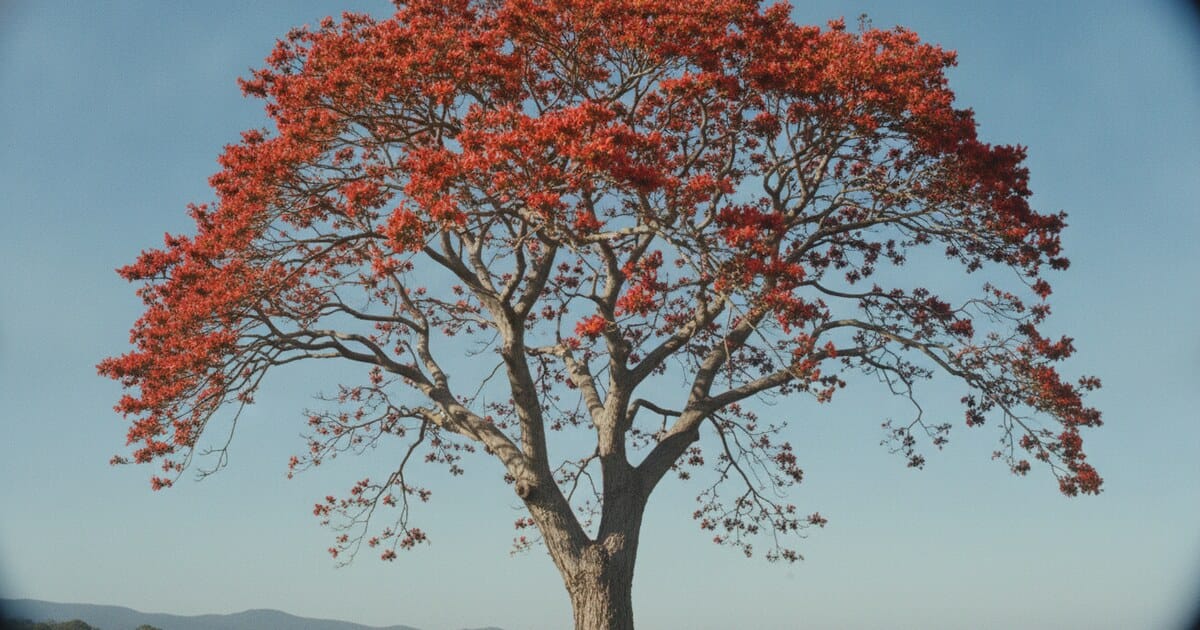
Identify an Illawarra flame tree by leaves, bark, flowers, and seed pods. Covers the flame tree vs. kurrajong distinction and erratic flowering explained.
Read more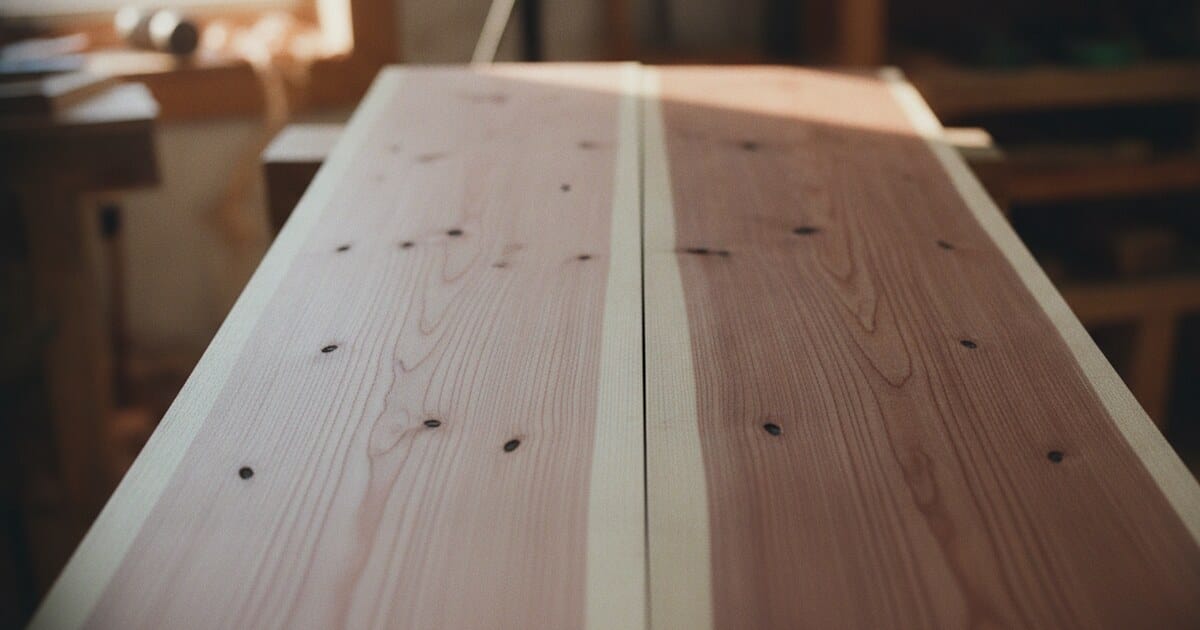
Learn how to identify cherry wood by its gum pockets, color stages, and end grain — plus cherry vs maple, walnut, and stained look-alikes.
Read more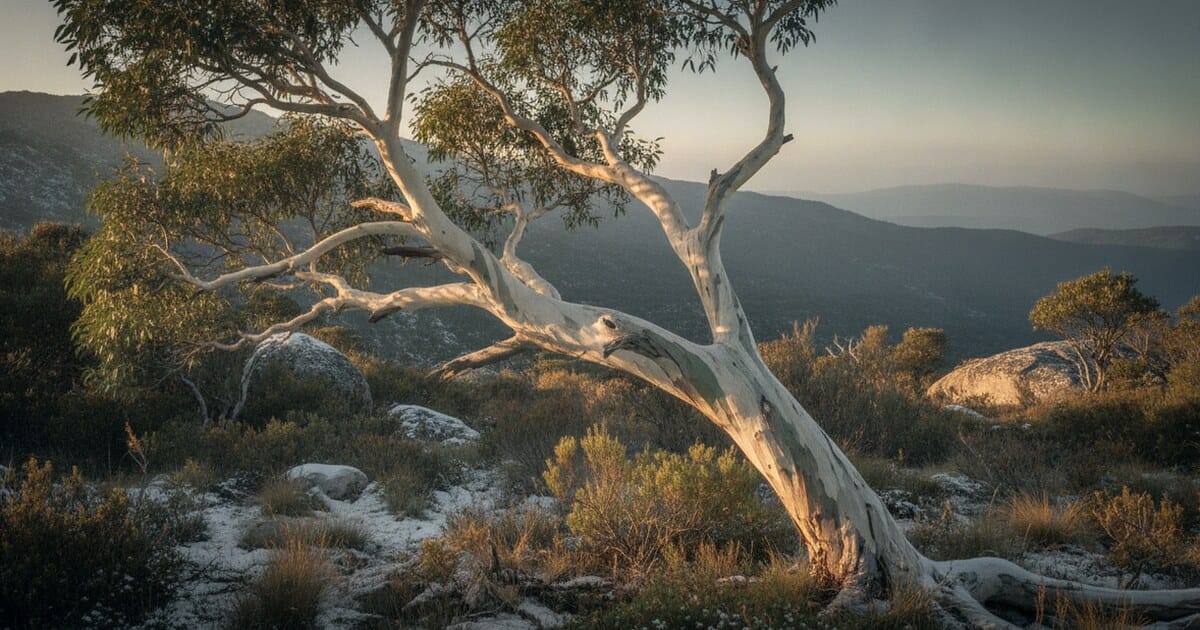
Identify snow gum (Eucalyptus pauciflora) by its smooth mottled bark, glossy waxy leaves and twisted alpine form. Includes subspecies guide.
Read more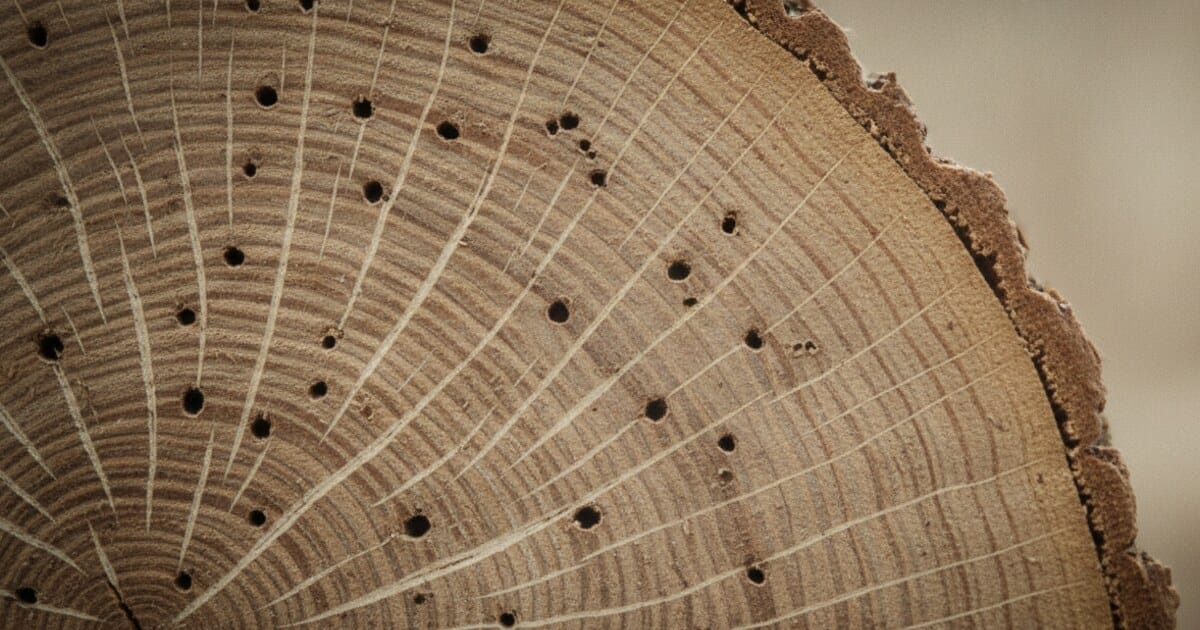
Learn how to identify oak wood using end grain pore pattern, medullary ray fleck, and the tyloses test. Covers red oak vs white oak differences.
Read more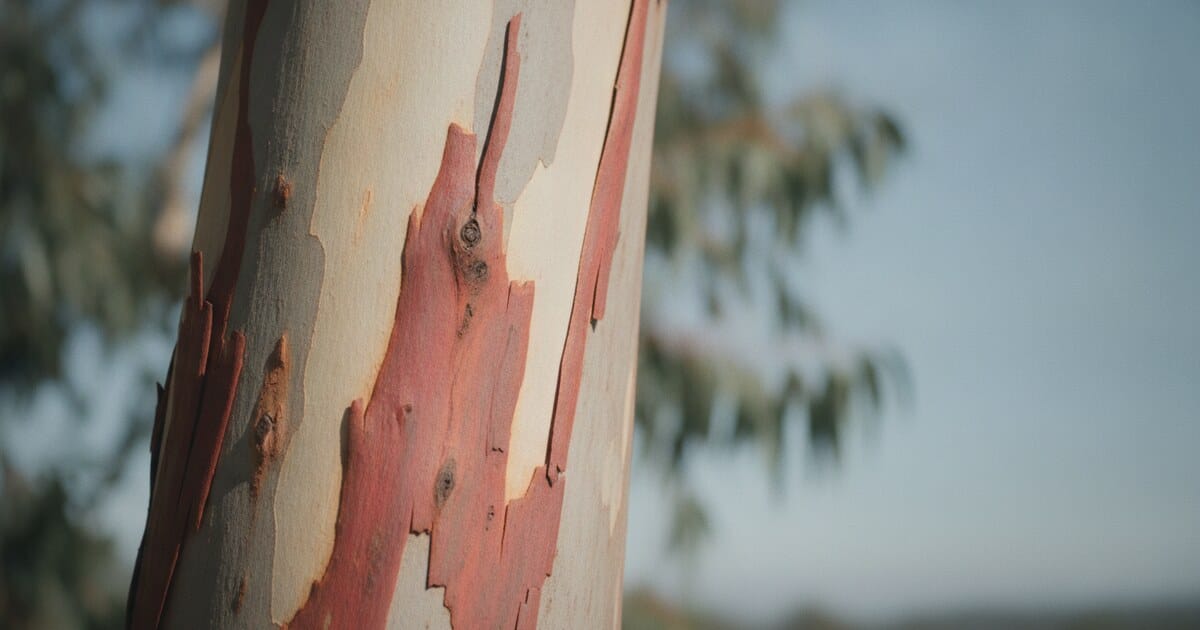
Identify a river red gum by its mottled cream bark, lance-shaped leaves and hemispherical capsules. Australia's most widespread eucalyptus.
Read more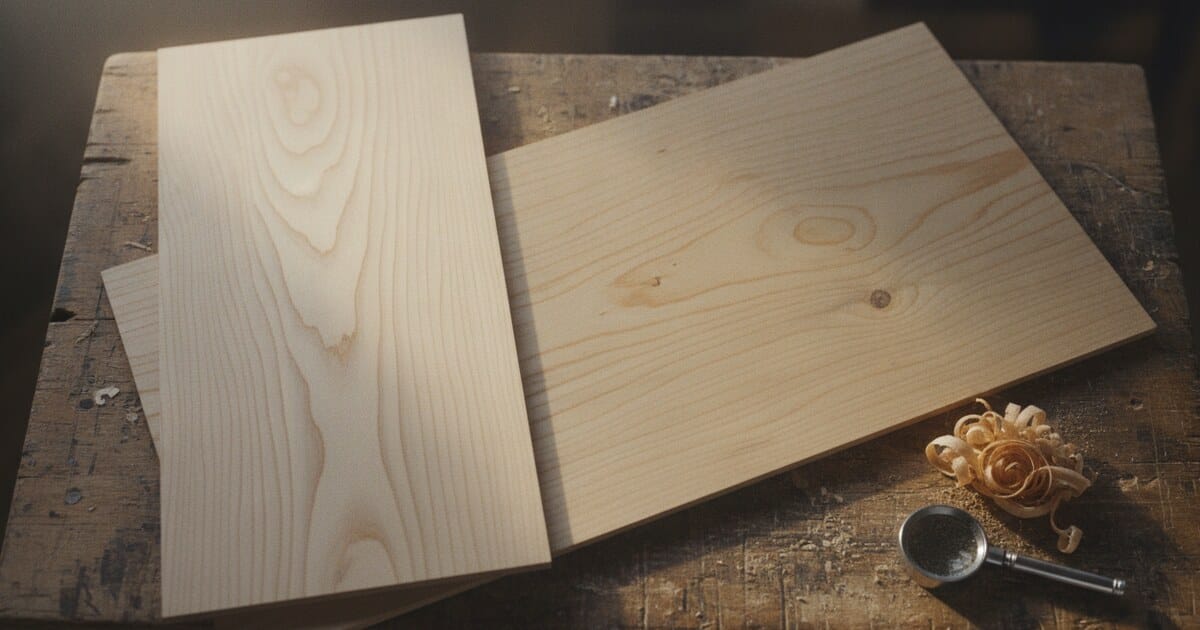
Compare maple vs birch wood by Janka hardness, grain, shrinkage, and best uses. Includes a 4-species data table and tips for telling them apart.
Read more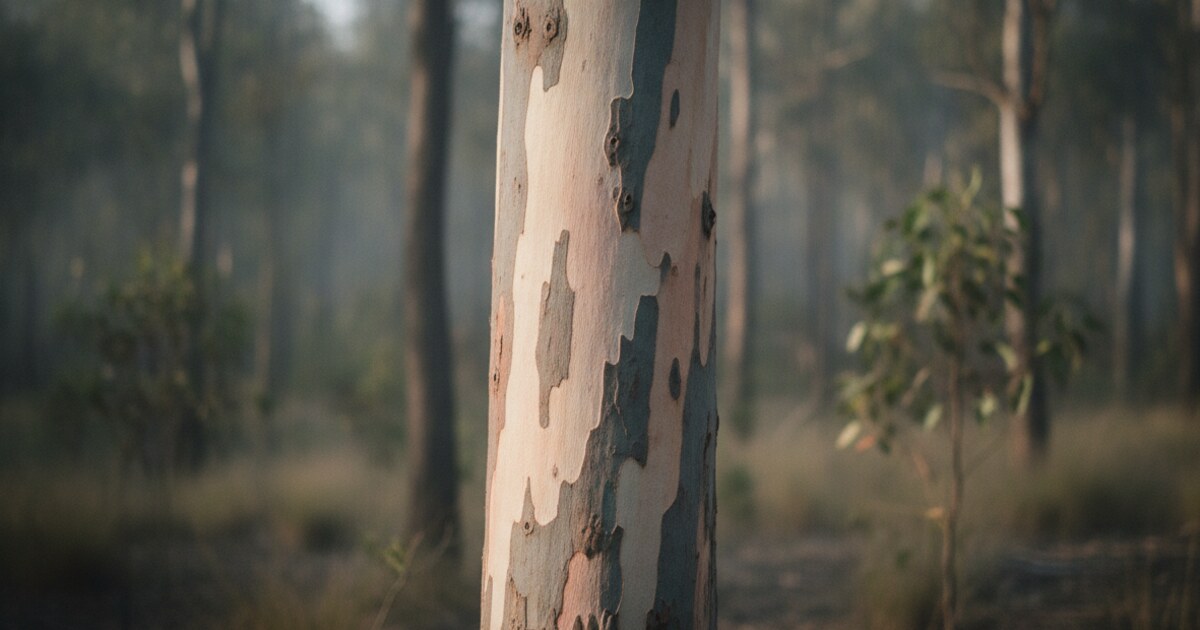
Identify spotted gum by its mottled bark, lance-shaped leaves, and urn-shaped fruit. Covers Corymbia maculata, range, lookalikes, and timber properties.
Read moreDownload the Tree Identifier app and start exploring the world of trees with AI-powered recognition.