• Tree Identification
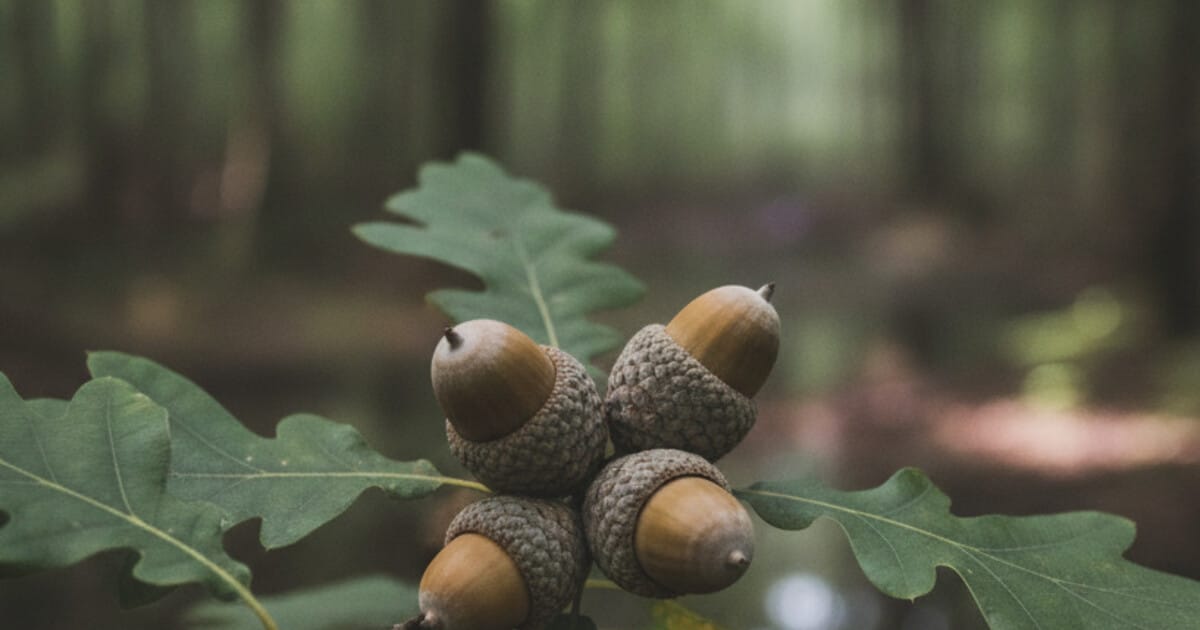
Overcup Oak Tree Identification: 7 Reliable Signs
Identify overcup oak by its nearly enclosed acorn cup, lyre-shaped leaves, and floodplain habitat. Field guide for Quercus lyrata with 7 reliable signs.
Read moreDiscover tips, guides, and fascinating insights about trees, wood identification, and nature exploration.
Identify overcup oak by its nearly enclosed acorn cup, lyre-shaped leaves, and floodplain habitat. Field guide for Quercus lyrata with 7 reliable signs.
Read more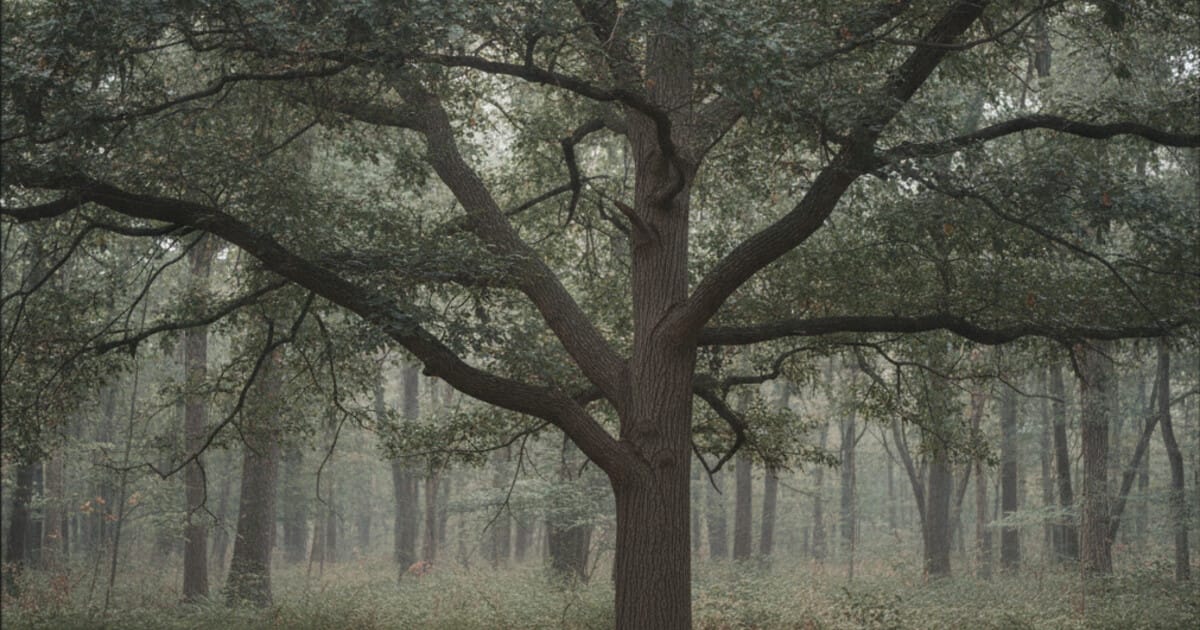
Identify shingle oak by its oblong unlobed leaves, round acorns, and gray-brown furrowed bark. Complete field guide to Quercus imbricaria.
Read more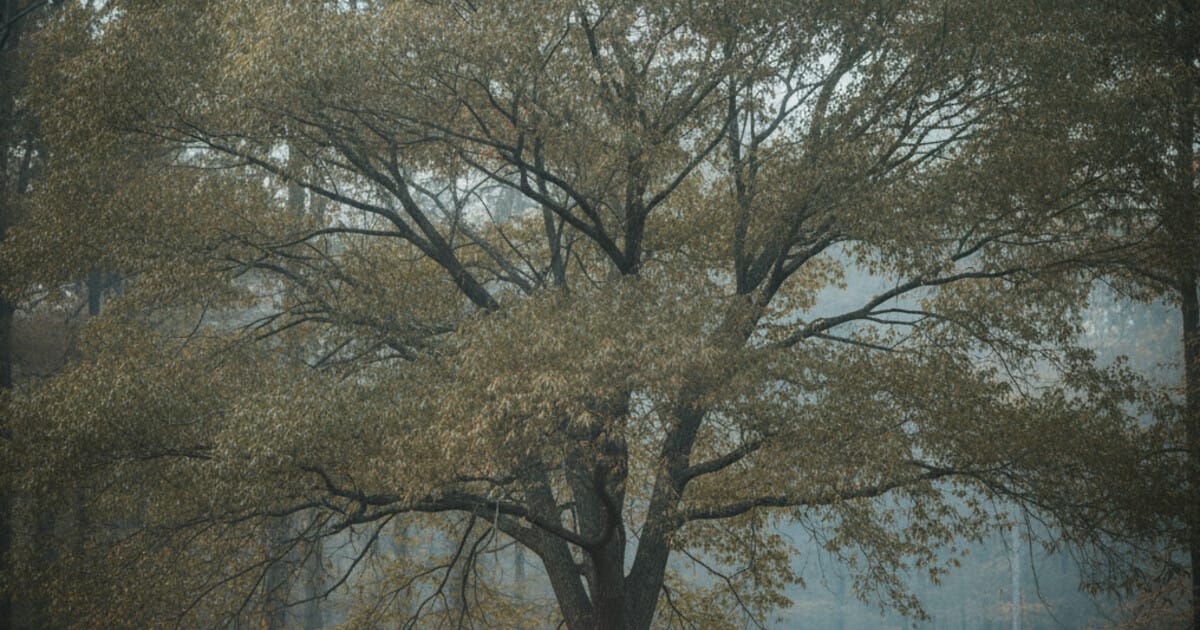
Identify willow oak by its narrow lance-shaped leaves, small round acorns, and dark furrowed bark. Complete field guide to Quercus phellos.
Read more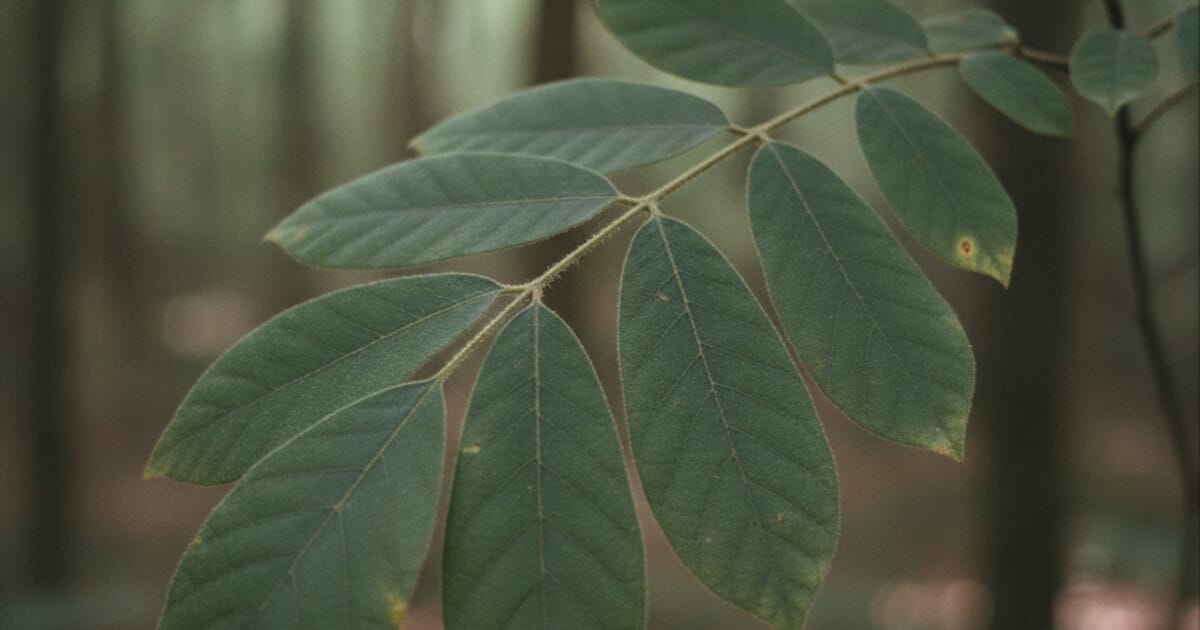
Learn 7 reliable signs for mockernut hickory tree identification: 7-9 hairy leaflets, large fragrant buds, thick-husked nuts, and tight interlocking bark.
Read more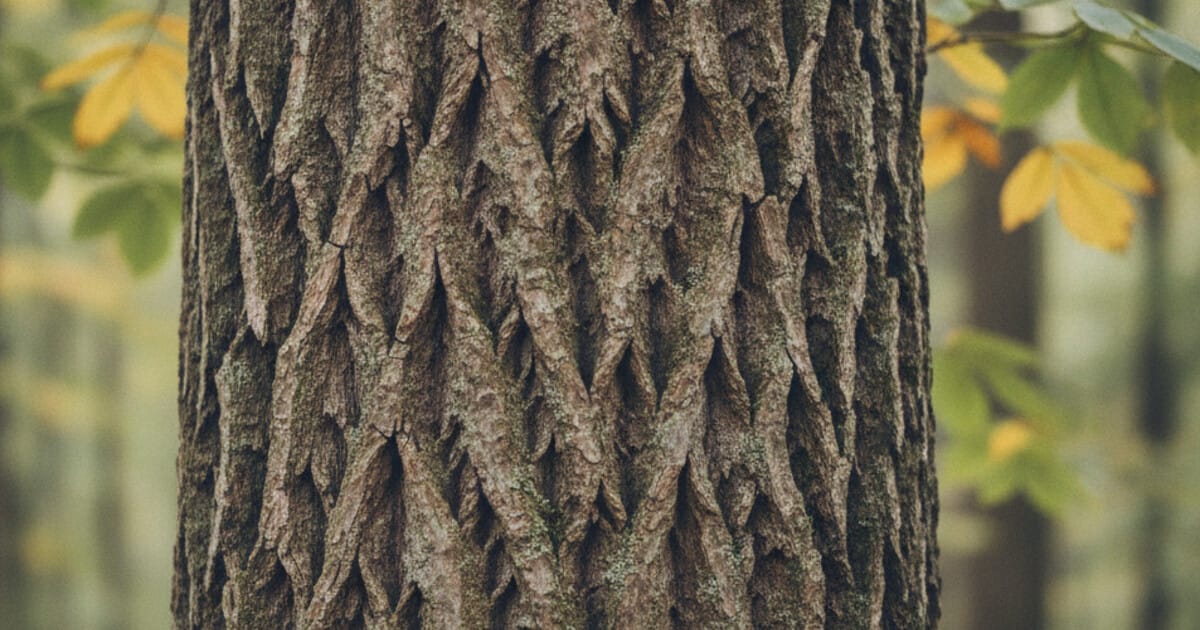
Learn 7 reliable signs for pignut hickory tree identification: tight ridge bark, compound leaves with 5 leaflets, bitter pear-shaped nuts, and more.
Read more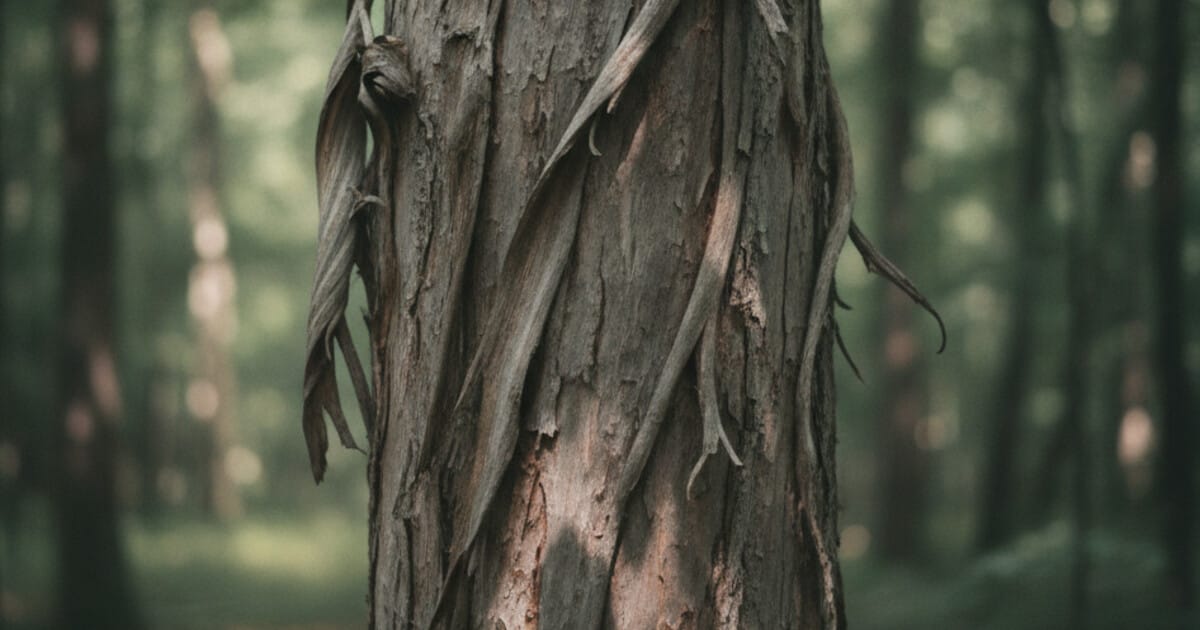
Identify shagbark hickory by its dramatic peeling bark, 5-leaflet leaves, and edible nuts. Complete field guide with comparison to similar hickory species.
Read more
Identify chinkapin oak by its narrow toothed leaves, light gray flaky bark, and rounded acorns. Complete field guide to Quercus muehlenbergii.
Read more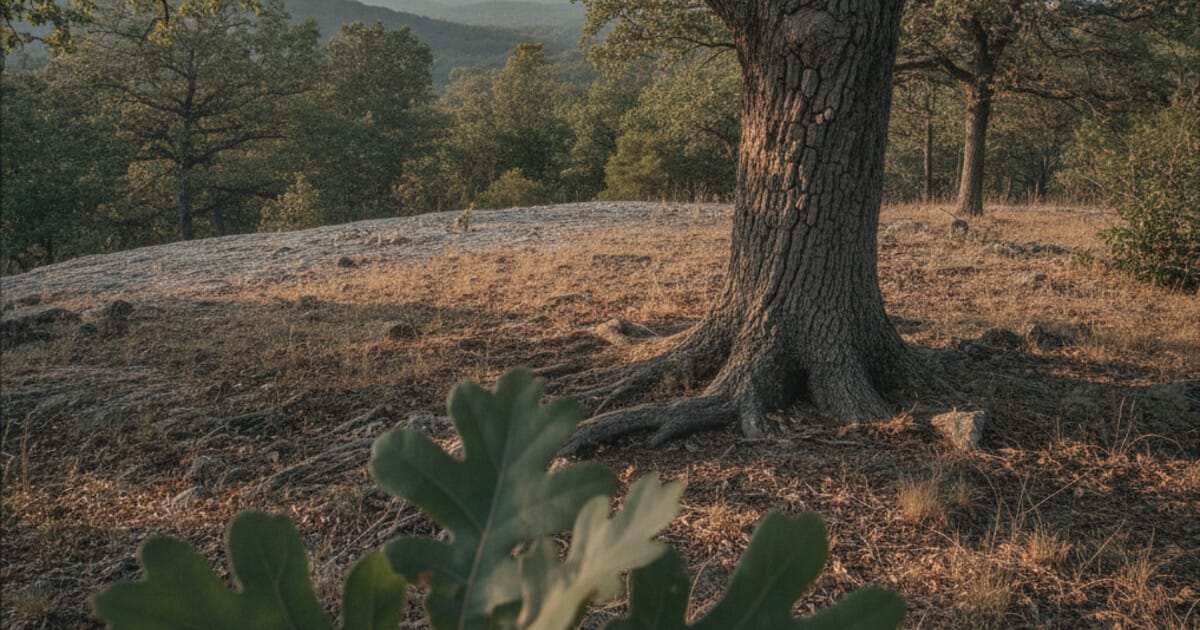
Identify post oak by its distinctive cross-shaped leaves, blocky gray-brown bark, and small oval acorns. Complete field guide to Quercus stellata.
Read more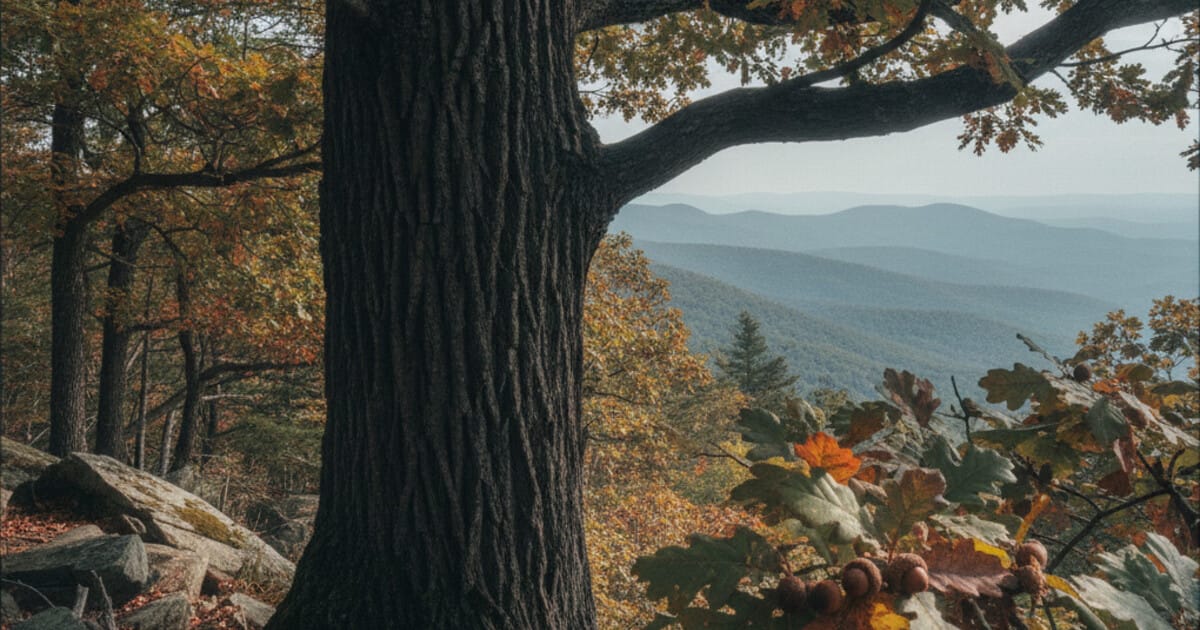
Identify chestnut oak by paddle-shaped toothed leaves, very dark ridged bark, and thick-capped acorns. Field guide to Quercus montana.
Read more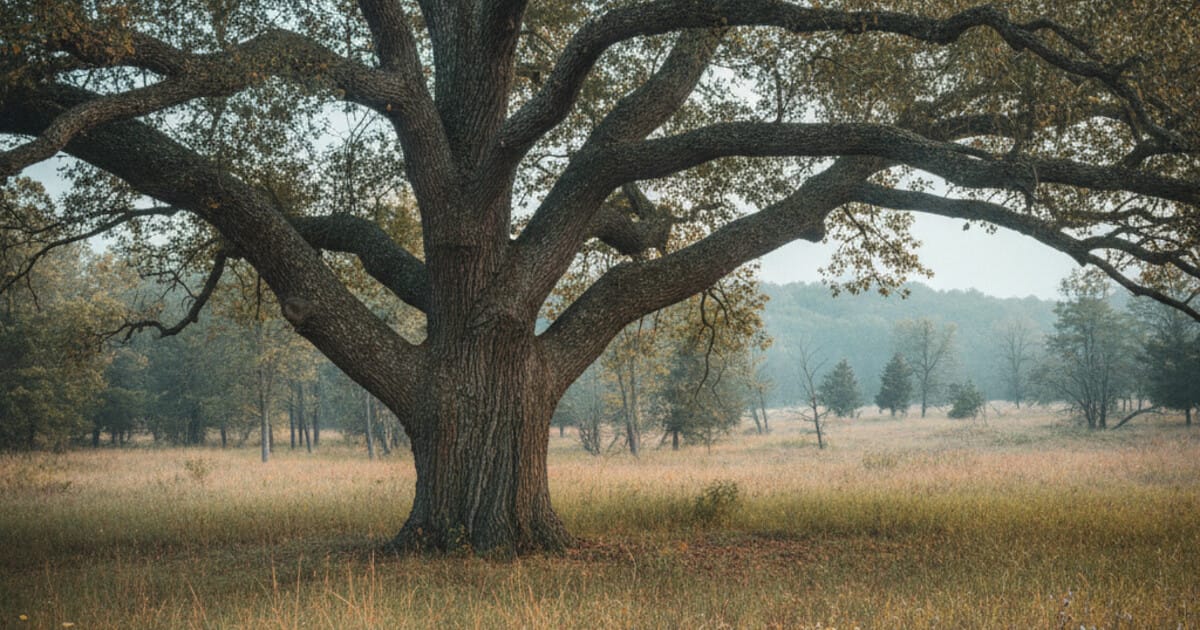
Learn to identify bur oak trees by their waisted lobed leaves, fringed mossy acorn cap, and thick furrowed bark. Quercus macrocarpa field guide.
Read more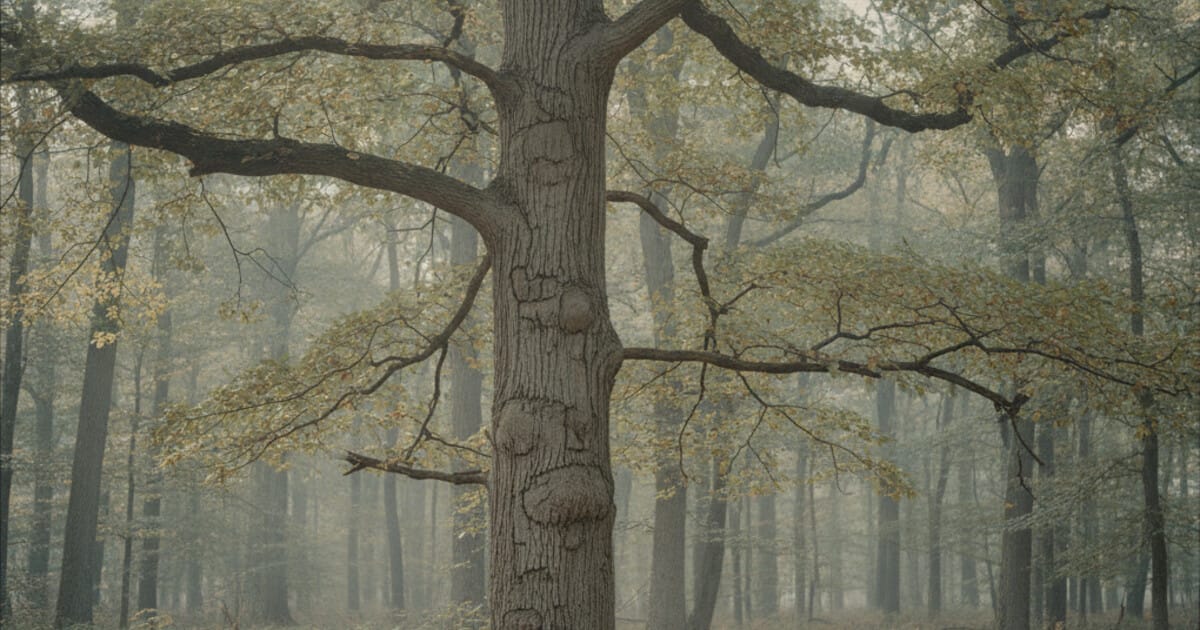
Identify white oak by rounded leaf lobes, light gray blocky bark, and one-season acorns. Quercus alba vs red oak and northern red oak field guide.
Read more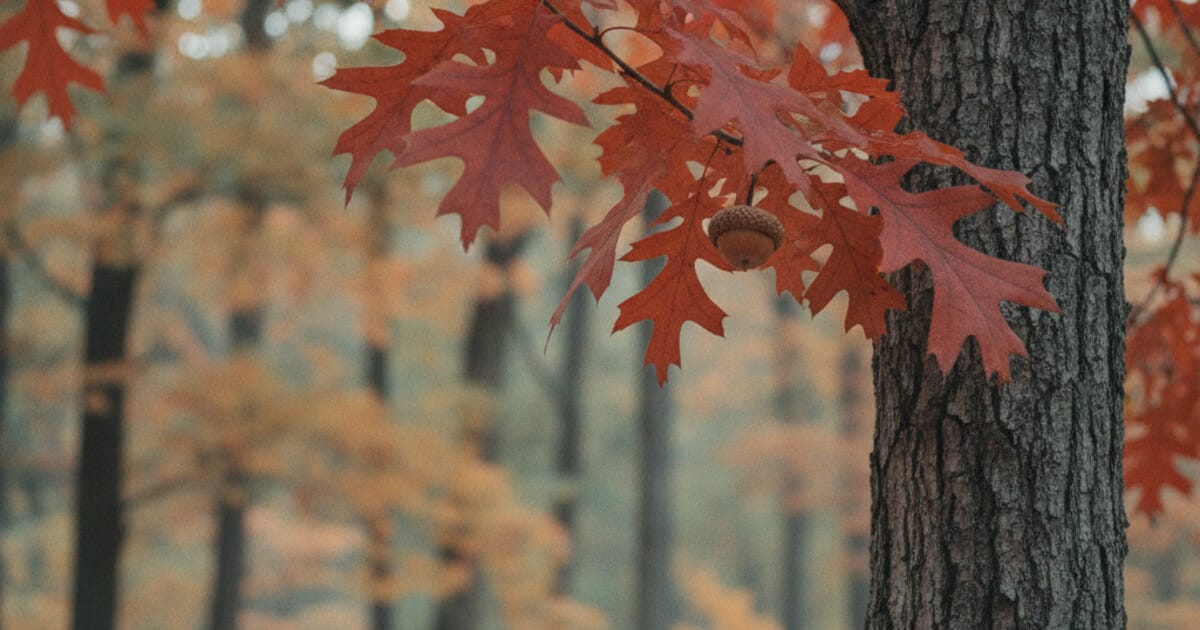
Identify red oak by bristle-tipped lobes, reddish inner bark, and shallow acorn caps. Field guide with photos, comparisons, and FAQs.
Read moreDownload the Tree Identifier app and start exploring the world of trees with AI-powered recognition.